Materials and Design
What Makes a Tile Installation Look High-End?
High-end tile work is not only about the tile itself. This guide explains the layout, cuts, grout lines, transitions, edges, and finishing details that make a tile installation look polished and professional.
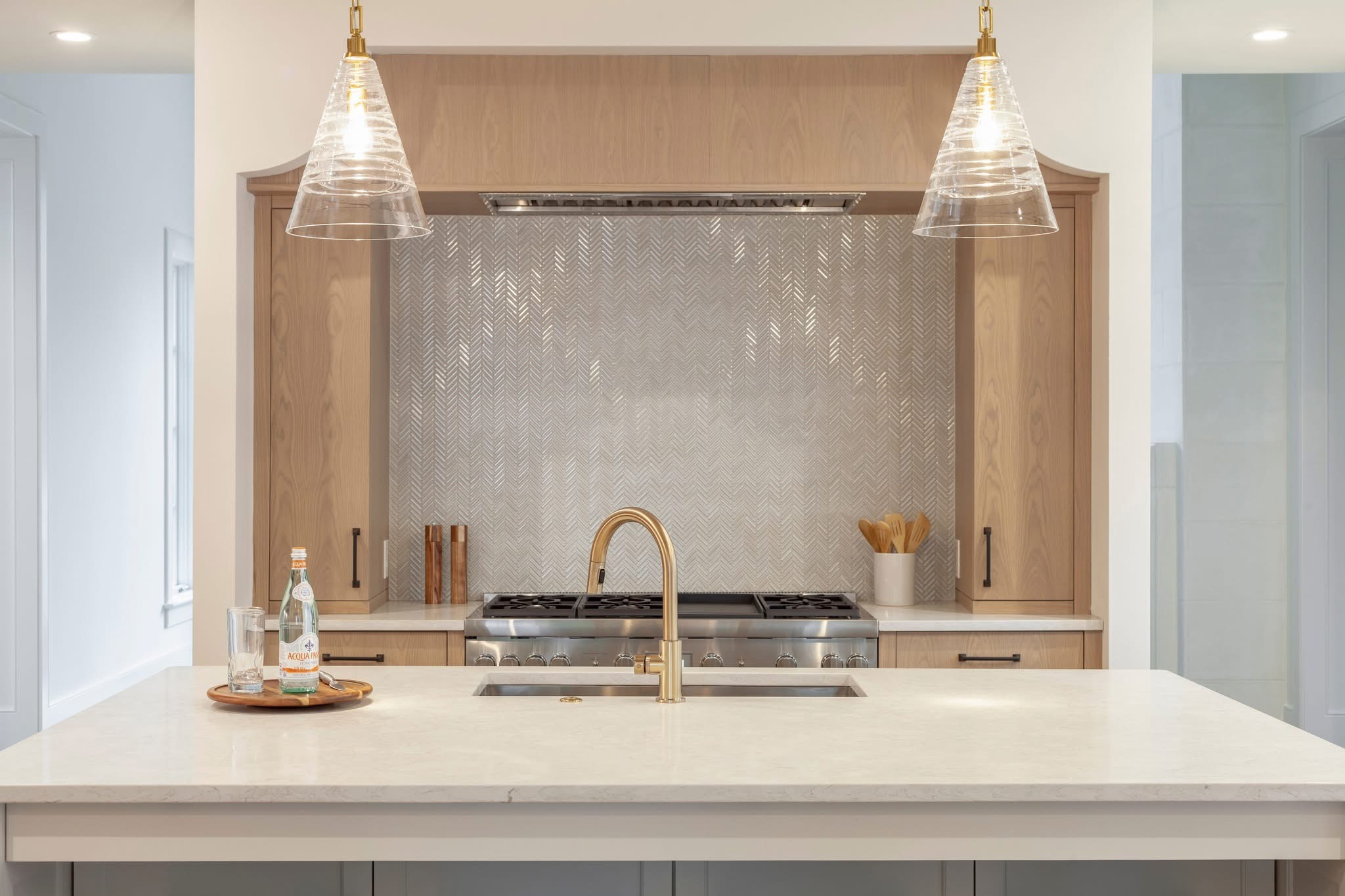
High-end tile work is easy to recognize, but harder for many homeowners to explain.
One installation may look clean, balanced, and intentional. Another may use the same tile but feel slightly off. The difference is usually not the tile alone. It is the planning, layout, cuts, grout lines, transitions, and finishing details behind the installation.
For homeowners comparing tile installers in the Charlotte area, understanding these details can make it easier to evaluate project photos, compare quotes, and know what level of craftsmanship you are actually paying for.
A high-end tile installation does not happen by accident. It is the result of controlled decisions before the first tile is set.
High-End Tile Work Starts Before Installation
The finished result is usually decided during planning.
Before tile goes on the wall or floor, a professional installer should be thinking through:
- Where the layout starts
- Where the eye will naturally focus
- How the tile will land at corners, edges, cabinets, ceilings, floors, and trim
- How cuts will be balanced
- How the pattern will interact with outlets, niches, windows, range hoods, or fireplace openings
- Where the tile should stop
- What trim or edge detail is needed
- How grout color will affect the finished look
This planning matters because tile is a visual grid. Once it is installed, small alignment issues are difficult to hide.
In a backsplash, the focal point may be the range wall. In a fireplace, it may be the full vertical centerline. In a shower, it may be the niche, plumbing wall, or large-format tile layout. High-end work accounts for these focal points before installation begins.
Layout Is One of the First Signs of Quality
A clean tile installation should look intentional from the first glance.
That usually means the tile layout feels balanced, not random. Cuts should not appear awkwardly small on one side of the space if there was a better way to plan the layout. Pattern lines should not drift as they move across the wall. Feature areas should feel centered and controlled.
Good layout planning can affect:
- Kitchen backsplashes
- Fireplace surrounds
- Full-height fireplace walls
- Shower walls
- Bathroom floors
- Niches
- Accent walls
- Tile transitions
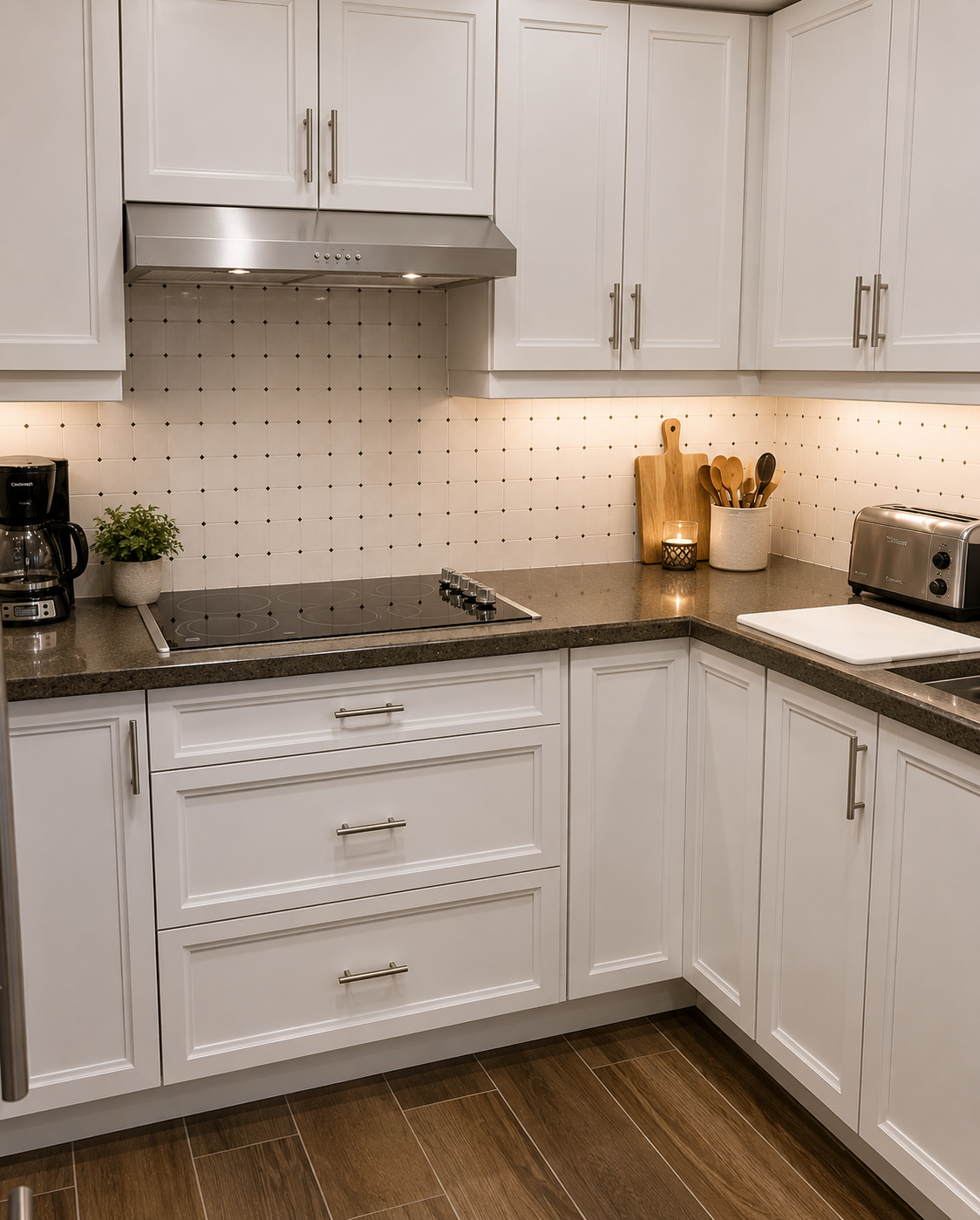
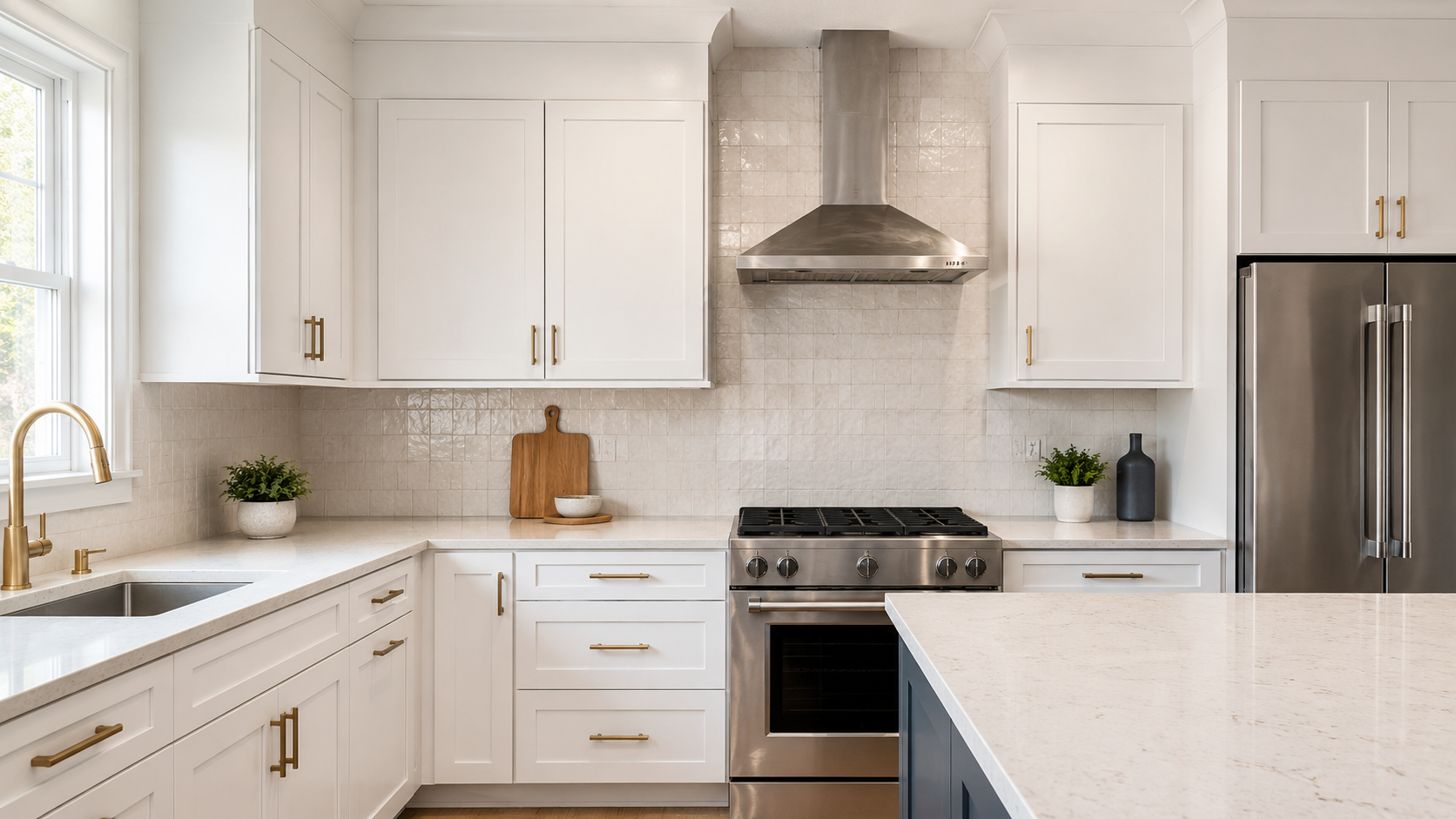
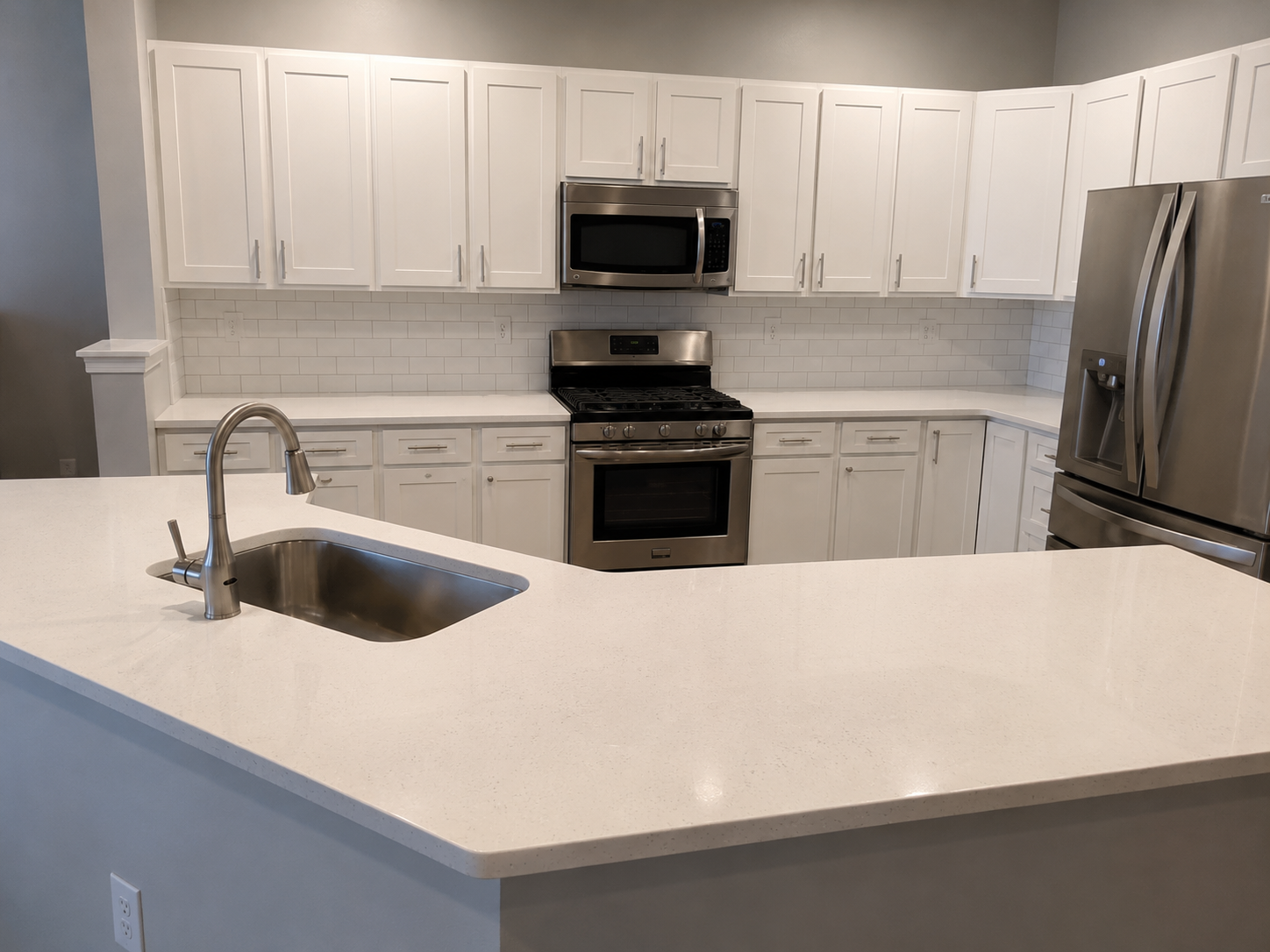
For example, a basic subway tile backsplash can look elevated when the cuts are balanced at the ends, the tile aligns cleanly under cabinets, and the grout lines remain consistent. The pattern itself may be simple, but the installation still feels refined.
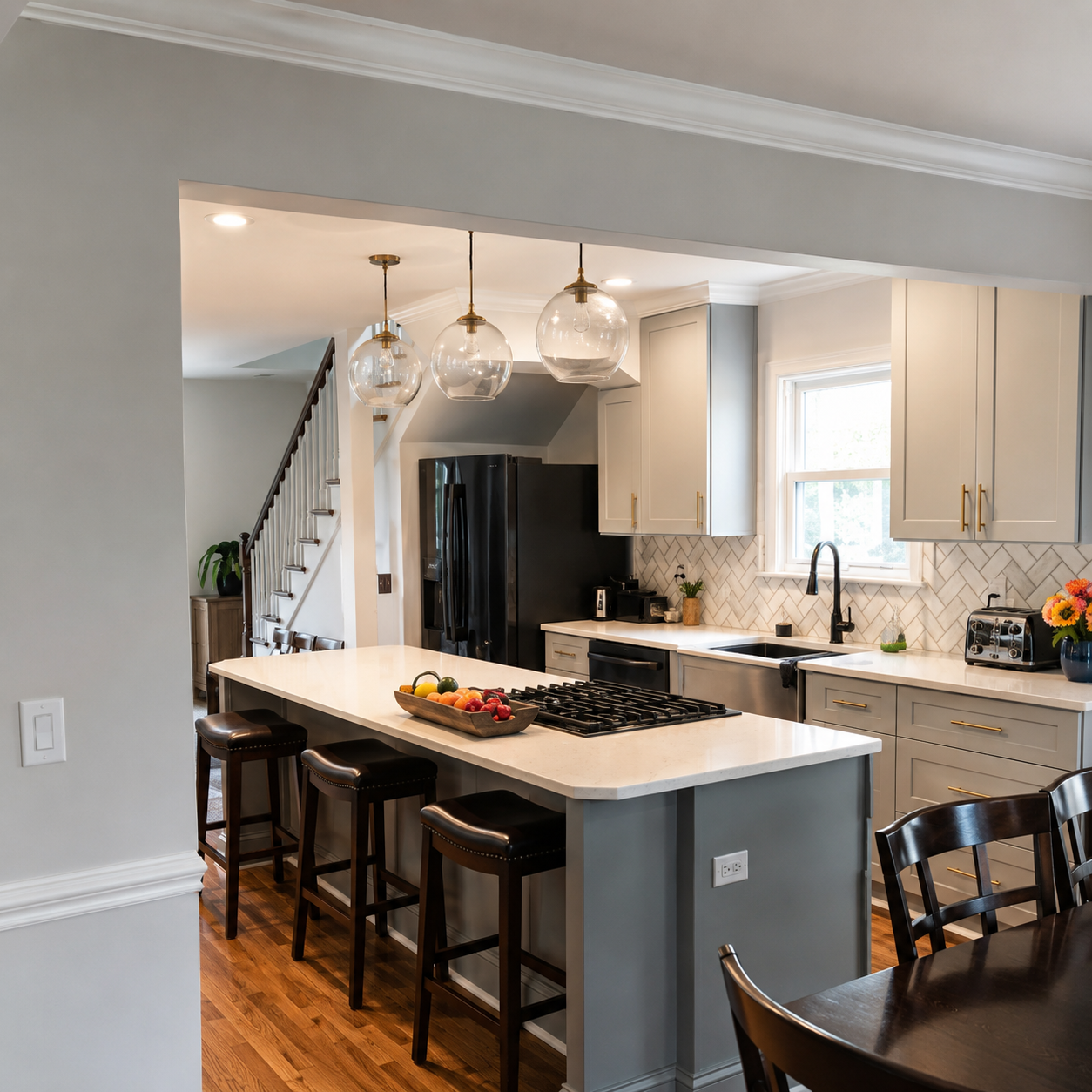
The same applies to herringbone, chevron, stacked tile, and large-format tile. The more visible or complex the pattern becomes, the more important the layout is.
Clean Cuts Make Tile Work Feel Professional
Cuts are one of the easiest places to spot the difference between average and high-end tile installation.
A finished tile project often has cuts around:
- Outlets and switches
- Cabinet ends
- Countertop returns
- Window trim
- Fireplace openings
- Mantels
- Shower niches
- Plumbing fixtures
- Outside corners
- Floor transitions
High-end tile cuts should look controlled and intentional. They should not appear jagged, rushed, chipped, or poorly placed. The goal is not just to make the tile fit. The goal is to make the finished surface feel polished.
This is especially important in areas homeowners see every day, such as the wall behind the range, the edge of a fireplace surround, or the inside corners of a shower niche.
Grout Lines Should Be Consistent and Intentional
Grout lines have a major effect on how tile work looks.
When grout joints are uneven, too wide, too narrow, or inconsistent, the eye catches it quickly. Even expensive tile can look poorly installed if the grout lines do not feel controlled.
A high-end installation considers:
- Consistent grout spacing
- Straight visual lines
- Clean grout finish
- Proper grout color selection
- Smooth transitions between tile and adjacent surfaces
- The relationship between grout joint size and tile style
Grout should support the design. Sometimes that means a close color match for a softer look. Other times, a slight contrast can highlight the pattern. The wrong grout color or joint size can make a tile installation feel busier, cheaper, or less refined than intended.
Symmetry Matters, Especially in Focal Areas
Not every tile surface needs perfect symmetry from wall to wall, but important focal areas should feel deliberate.
This is especially true around:
- Kitchen range walls
- Fireplace surrounds
- Fireplace feature walls
- Shower niches
- Vanity backsplashes
- Centered accent walls
A herringbone backsplash behind a range, for example, needs careful planning so the pattern does not feel visually off-center. A fireplace wall should be considered around the firebox, mantel, ceiling height, and any built-ins or surrounding millwork.
Symmetry is not always about making every cut identical. It is about making the finished result feel visually balanced.
Finished Edges Separate Basic Work From Polished Work
Edges are where many tile installations reveal their quality.
A tile project can look clean in the middle and still feel unfinished if the edges are not handled well.
Common edge decisions include:
- Metal trim profiles
- Bullnose tile
- Mitered edges when appropriate
- Caulked transitions
- Natural stopping points
- Cabinet-line terminations
- Outside corners
- Tile-to-drywall transitions
A professional-looking installation should not leave the homeowner wondering why the tile ends where it does. The edge should feel planned.
For backsplashes, this may mean deciding whether the tile stops at the cabinet, countertop, window, or open wall. For fireplaces, it may mean choosing how the tile returns around the firebox or meets the surrounding wall. For bathrooms, it may mean planning niches, curbs, outside corners, and tile-to-paint transitions before the work begins.
Transitions Should Look Clean and Considered
Tile rarely exists by itself. It usually meets another surface.
Those transitions can include:
- Tile to countertop
- Tile to cabinet
- Tile to drywall
- Tile to hardwood
- Tile to carpet
- Tile to shower glass
- Tile to metal trim
- Tile to fireplace surround
- Tile to baseboards or casing
A high-end installation makes these meeting points feel clean.
This does not mean every transition needs to be elaborate. In many homes, the best detail is simple and restrained. What matters is that the transition looks intentional, durable, and appropriate for the space.
Poor transitions can make a project feel unfinished even when the tile itself is attractive.
Corner Handling Should Not Feel Like an Afterthought
Corners are another area where craftsmanship shows.
Inside corners, outside corners, shower returns, fireplace edges, and backsplash ends all require planning. If the tile wraps a corner, the pattern should be considered. If trim is used, the profile should fit the tile thickness and design style. If the tile stops at a wall, that stopping point should make sense.
Awkward corner handling can make a premium tile look less refined.
Strong corner work usually feels quiet. It does not call attention to itself. It simply looks resolved.
The Tile Should Match the Home, Not Just the Trend
High-end tile work is not only about technical execution. It is also about fit.
A tile installation should make sense with the home's cabinets, countertops, flooring, wall color, hardware, lighting, and overall style. A tile that looks impressive in a showroom may not be the right choice for every kitchen, fireplace, or bathroom.
In Charlotte-area homes, especially in communities like Weddington, Waxhaw, Fort Mill, Davidson, Cornelius, and South Charlotte, many homeowners want tile that feels current but not disposable. That usually means choosing materials, colors, layouts, and grout details that support the home's style rather than overpowering it.
The best tile work should feel like it belongs in the space.
Premium Tile Installation Is Often About Restraint
High-end does not always mean complicated.
A simple white backsplash can look premium when the tile is well proportioned, the grout is right, the cuts are clean, and the edges are finished properly. A fireplace surround can feel elevated with a quiet large-format tile and clean transitions. A shower niche can look refined because it is aligned, balanced, and carefully finished.
Complex patterns and specialty materials can be beautiful, but they also require stronger planning. When those details are used without discipline, the result can feel busy instead of elevated.
Premium tile work is often about knowing where to add detail and where to keep the design controlled.
How to Evaluate Tile Work Before Hiring an Installer
When reviewing a tile installer's work, look beyond the overall photo.
Zoom in on the details.
Pay attention to:
- Are the grout lines consistent?
- Do the cuts look clean?
- Does the layout feel balanced?
- Are the edges finished?
- Are outlets and fixtures handled cleanly?
- Do corners look planned?
- Does the pattern stay aligned?
- Are transitions neat?
- Does the tile fit the style of the home?
- Does the finished project look intentional?
A good photo should show more than attractive tile. It should show execution.
This is one reason portfolio quality matters. A professional tile company should be comfortable showing finished details, not only wide-angle room photos. View completed tile projects to study layout, cuts, and finish details.
Why Quality Tile Work Costs More Than Basic Installation
High-end tile installation requires more than setting tile on a surface.
It may involve:
- More planning time
- More careful layout
- More precise cutting
- More surface preparation
- Better dust and home protection
- More detailed edge planning
- More careful grout work
- More attention to transitions
- More communication before and during the project
These details affect the finished result.
A lower quote may be appropriate for a very simple project with limited complexity. But when the surface is highly visible, the tile is more expensive, the pattern is more detailed, or the home has a premium finish level, the installation quality becomes even more important. For backsplash pricing context, see kitchen backsplash cost in the Charlotte area.
The cost of tile work should be considered against the result the homeowner expects to see every day.
What CBC Focuses On During a Tile Project
CBC's approach is built around the details that make tile feel finished. Learn more about CBC's approach to layout discipline, controlled cuts, and detail-focused finishing.
That includes understanding the project scope, reviewing layout direction, planning visible transitions, respecting the home during installation, and executing the work with attention to the final appearance.
For backsplash installation services, that may mean clean outlet cuts, thoughtful range-wall layout, and finished edges.
For fireplace tile installation, it may mean centered layout, clean returns, and a surround or feature wall that feels proportional to the room.
For select bathroom tile upgrades, it may mean niche alignment, clean corners, and transitions that do not feel like an afterthought.
For accent and feature wall tile, it may mean proportional layout, clean stopping points, and transitions that support the room.
The goal is not to make every project overly complicated. The goal is to make the finished tile look intentional, clean, and appropriate for the space.
Final Takeaway
A high-end tile installation is not defined by the most expensive tile or the most complicated pattern.
It is defined by how well the details are handled.
Layout, cuts, grout lines, edges, corners, transitions, and material fit all work together to create the final impression. When those details are planned and executed well, the tile feels like part of the home instead of something simply added to it.
If you are comparing tile installers, do not only ask what the project costs. Ask what level of planning, precision, and finish detail is included.
Planning a Tile Project in the Charlotte Area?
CBC helps homeowners plan backsplash, fireplace, bathroom, and feature wall tile projects with clean execution and detail-focused finishing.
Request an estimate to review your space, material direction, layout needs, and project goals.
FAQ
What makes tile installation look high-end?
High-end tile installation usually comes down to layout planning, clean cuts, consistent grout lines, finished edges, proper transitions, and careful alignment. The tile itself matters, but the installation details are what make the final result look polished.
How can I tell if tile work is good quality?
Look closely at the grout lines, cuts, corners, edges, and transitions. Quality tile work should look balanced and intentional. Outlets, niches, fireplace edges, and backsplash stopping points should be handled cleanly rather than looking rushed or unfinished.
Does expensive tile always make a project look high-end?
No. Expensive tile can still look average if the layout is poorly planned or the installation details are weak. A simpler tile can look premium when the cuts, grout, edges, and transitions are handled well.
Why do some tile installation quotes cost more than others?
Higher quotes may include more planning, better surface preparation, more precise cuts, detailed edge finishing, dust protection, layout coordination, and more careful installation. Homeowners should compare what is included in the scope, not only the final number.
What tile details matter most for backsplashes and fireplaces?
For backsplashes, range-wall layout, outlet cuts, grout lines, and edge finishing are especially important. For fireplaces, centered layout, clean returns, proportional design, and transitions around the firebox or wall edges usually have the biggest visual impact.