Select Bathrooms
Bathroom Tile Upgrades That Add the Most Visual Value
Not every bathroom project needs to be a full remodel. This guide explains the bathroom tile upgrades that create the most visual impact, including shower walls, bathroom floors, niches, accent walls, vanity backsplashes, tub surrounds, and clean floor transitions.

Not every bathroom improvement needs to become a full remodel.
In many homes, the layout still works. The vanity may be staying. The plumbing may not need to move. The homeowner may simply want the bathroom to feel more finished, more current, or more aligned with the rest of the home.
That is where focused bathroom tile upgrades can make a meaningful difference.
Tile has a major visual effect because it is used on surfaces homeowners see and touch every day: shower walls, bathroom floors, niches, tub surrounds, vanity backsplashes, accent walls, and transitions between materials.
For Charlotte-area homeowners considering bathroom tile work, the best upgrade is usually the one that improves the most visible surface without creating unnecessary scope.
The Highest-Impact Tile Upgrades Are the Ones You See Every Day
Bathroom tile works differently than decorative finishes.
It is not only there for appearance. It also needs to handle water, cleaning, daily use, and transitions between surfaces.
The most valuable bathroom tile upgrades are usually the ones that improve:
- The shower wall you see when you walk in
- The bathroom floor underfoot
- The niche or detail area inside the shower
- The tub surround
- The vanity backsplash
- The wall behind a freestanding tub
- The transition between tile and flooring
- The edges and corners that make the room feel finished
A small tile surface can still have a major impact when it is placed in the right area and installed cleanly.
Shower Wall Tile
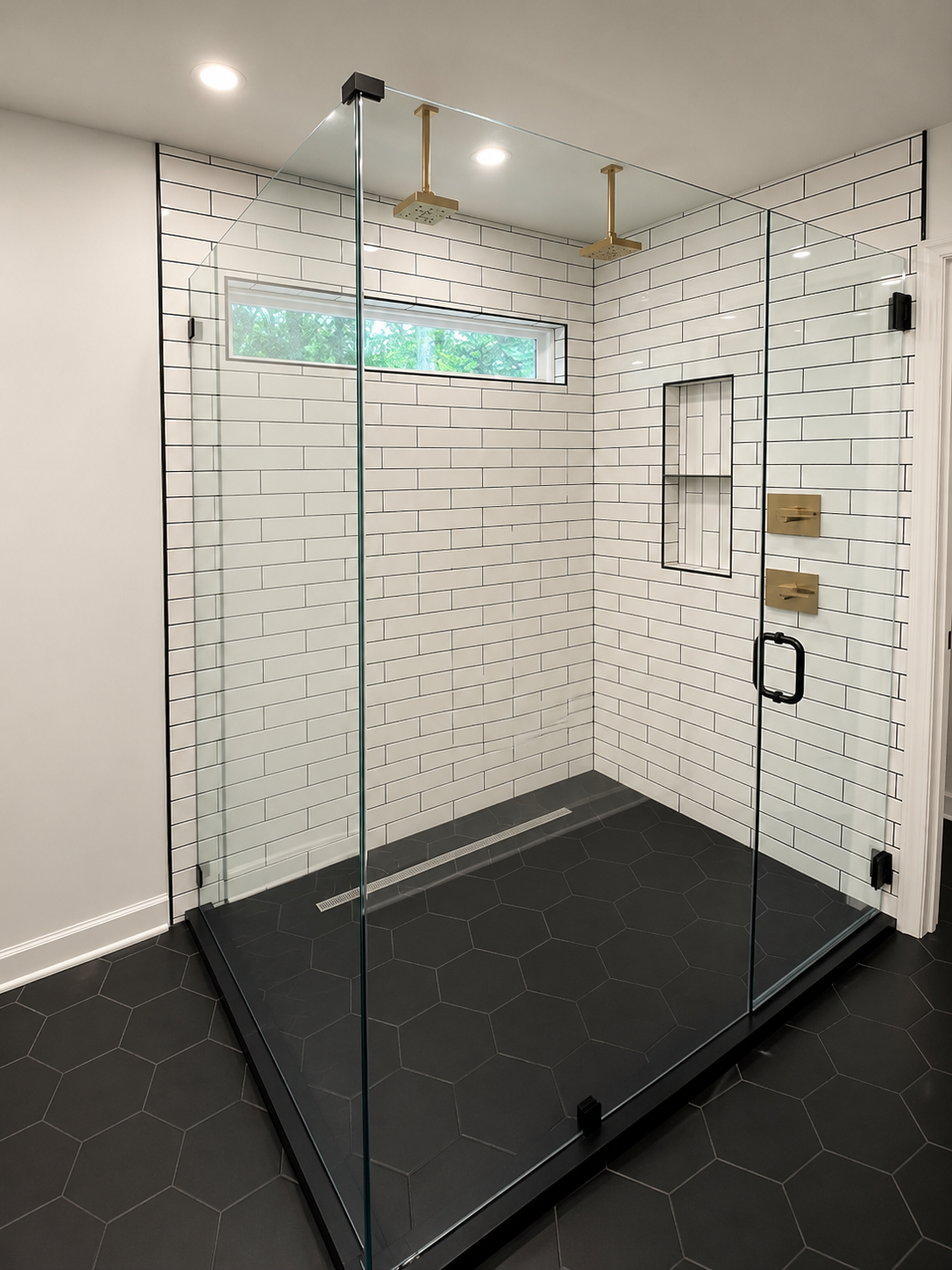
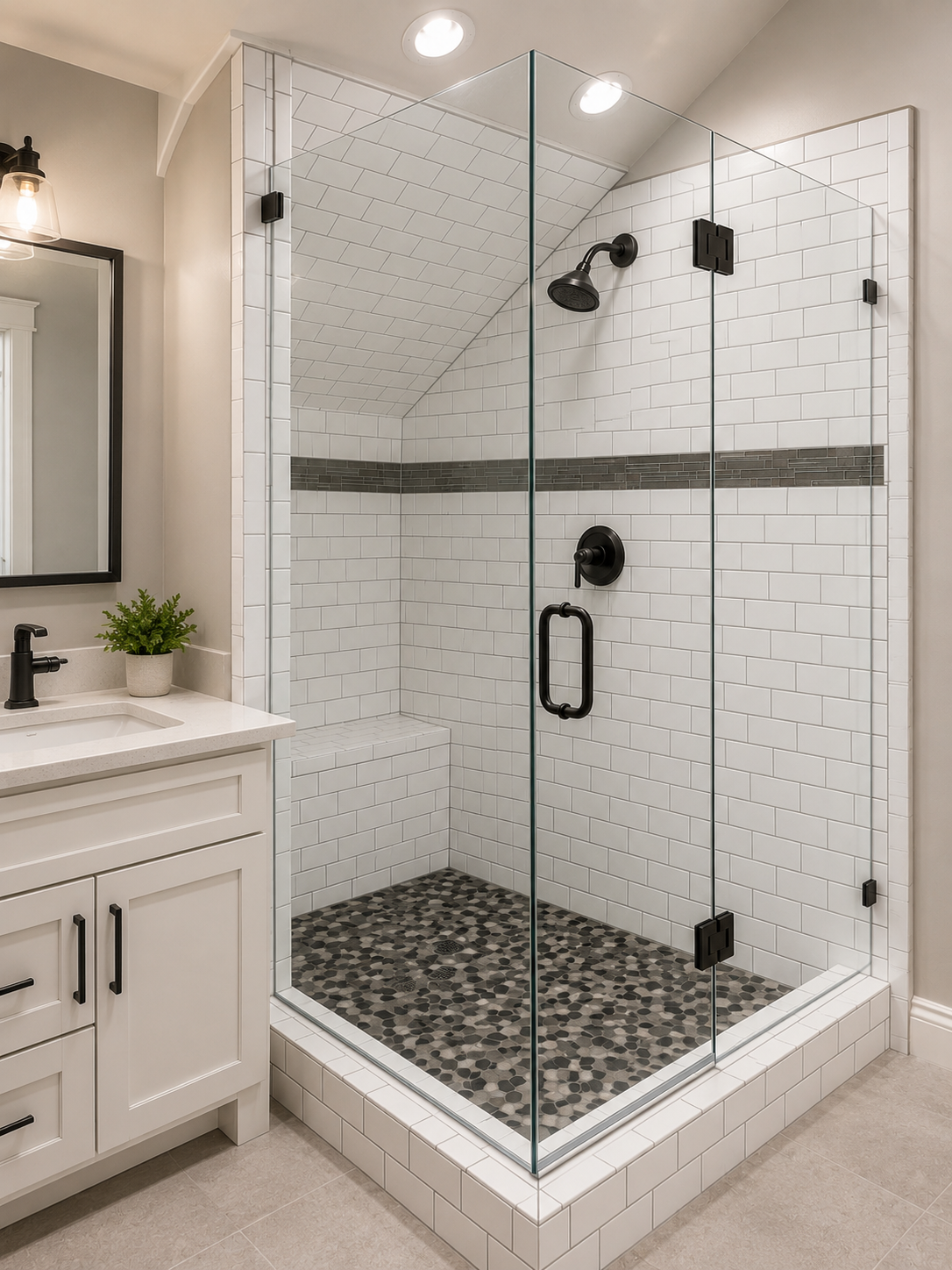
Shower walls are often the most important bathroom tile surface.
They take up a large amount of visual space and directly affect whether the bathroom feels dated, basic, or elevated.
A shower wall tile upgrade can make sense when:
- The existing tile feels outdated
- The shower is the main visual feature in the bathroom
- The homeowner wants a cleaner, brighter look
- The old tile is too dark, busy, or builder-grade
- The layout needs more visual height
- The bathroom needs a more premium finish
- The shower is being updated without changing the entire bathroom layout
Popular shower wall directions may include large-format porcelain, marble-look tile, stacked vertical tile, soft neutral ceramic, textured tile, or a clean full-wall design.
The goal is not always to make the shower dramatic. In many bathrooms, the best shower tile is clean, balanced, and easy to live with.
Bathroom Floor Tile
Bathroom floor tile has a strong effect because it grounds the room.
A new floor can make the bathroom feel cleaner, brighter, warmer, or more custom. It can also help connect the vanity, shower, tub, paint color, and hardware.
Bathroom floor tile may be a good upgrade when:
- The existing floor feels dated
- The tile is cracked, stained, or worn
- The floor color does not match the rest of the bathroom
- The bathroom needs more visual warmth
- The homeowner wants a more custom finish
- Other fixtures are staying but the floor feels tired
Floor tile choices should be practical as well as attractive.
Homeowners should consider texture, slip resistance, grout maintenance, tile size, layout, and how the floor meets adjacent surfaces. A bathroom floor is not just a design choice. It needs to make sense for daily use.
Shower Niches
A shower niche is a small detail that can have a large effect on how finished the shower feels.
A niche can be practical, but it also becomes part of the tile design. If it is poorly placed, poorly aligned, or finished with awkward edges, it can weaken the entire shower.
A well-planned niche can:
- Add storage without bulky shelves
- Create a clean design detail
- Align with tile joints or layout lines
- Add subtle contrast or texture
- Make the shower feel more custom
- Improve the daily use of the space
Niche details require careful planning.
The tile layout, niche size, trim, edges, slope, grout, and placement should all be considered before installation begins. A niche should feel integrated into the shower, not added as an afterthought.
Bathroom Accent Walls
A bathroom accent wall can create a focal point without changing the entire room.
This may be behind a vanity, behind a freestanding tub, inside a shower, or on another highly visible wall.
Accent wall tile can work well when:
- The bathroom feels too plain
- The homeowner wants a focal point
- The space needs texture or warmth
- The rest of the bathroom will remain simple
- A full remodel is not needed
- The room has one wall that naturally draws attention
Accent walls should be used carefully.
A tile accent wall can look high-end when the material fits the room and the edges are planned well. It can look forced if the tile is too busy, the wall is not the right focal point, or the material does not coordinate with the rest of the bathroom.
The best accent walls feel intentional, not decorative for the sake of decoration.
Vanity Backsplashes
A vanity backsplash is a focused upgrade that can make a bathroom feel more polished.
It may be small, but it sits in a highly visible area. It also connects the mirror, countertop, faucet, lighting, and wall color.
A vanity backsplash can make sense when:
- The vanity wall feels unfinished
- The countertop splash feels too basic
- The homeowner wants a cleaner wall detail
- The mirror and lighting need a better backdrop
- The bathroom needs a subtle custom touch
- A full wall tile treatment would feel excessive
Vanity backsplash tile can be simple or more decorative depending on the bathroom style.
Good options may include handmade-look tile, soft neutral ceramic, marble-look porcelain, small mosaics, vertical tile, or a simple slab-style look.
The key is proportion. The tile should relate to the vanity width, mirror height, lighting, and countertop.
Tub Surrounds
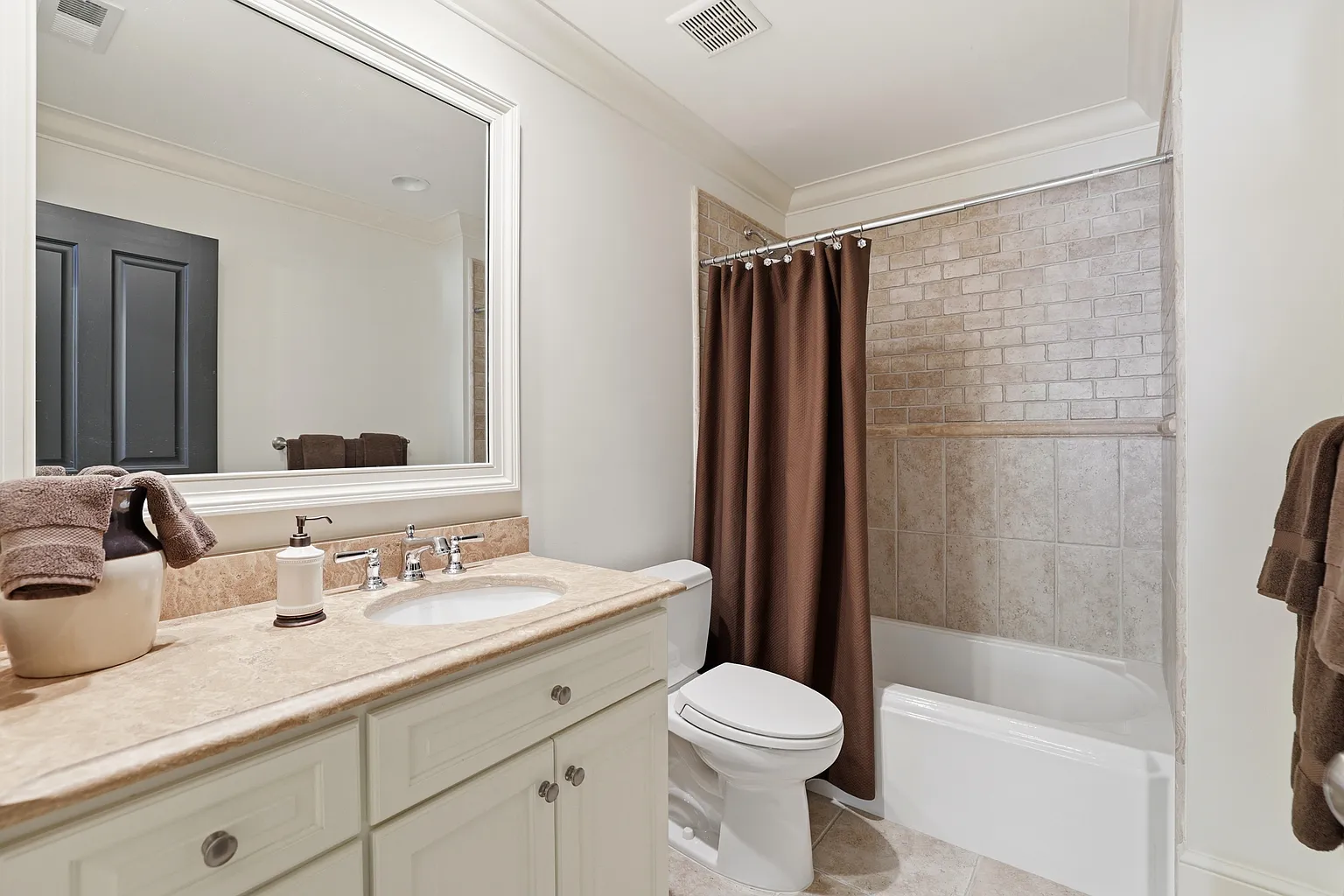
A tub surround can change the feel of a bathroom, especially if the tub is a major feature.
In some bathrooms, the tub is built into a platform or surrounded by tile. In others, the tub may sit against a tiled wall or be part of a shower-tub combination.
A tub surround upgrade can make sense when:
- The existing surround is dated
- The tub area feels disconnected
- The bathroom needs a more finished feature
- The homeowner wants a cleaner or more spa-like feel
- The tub is staying but the tile needs to change
- The tub wall is visible from the bathroom entrance
Material selection matters around tubs.
The tile should work with the tub shape, surrounding walls, plumbing fixtures, floor tile, and overall bathroom style. Edge details and transitions should be planned before installation so the tub area does not feel patched together.
Floor Transitions
Floor transitions are not always the first thing homeowners think about, but they can affect the finished look of a bathroom.
A bathroom tile floor may transition to hardwood, carpet, luxury vinyl, hallway flooring, or another surface. If that transition is uneven, bulky, or poorly planned, it can make the project feel incomplete.
Good transition planning considers:
- Floor height
- Tile thickness
- Adjacent flooring material
- Doorway location
- Threshold detail
- Edge protection
- Visual alignment
- Safety and daily use
A clean transition helps the bathroom feel integrated with the rest of the home.
This is especially important in homes where the bathroom connects to a primary bedroom, hallway, closet, or open dressing area.
Shower Curbs, Corners, and Edges
Small tile details often determine whether a bathroom feels premium.
Shower curbs, outside corners, inside corners, wall ends, niches, and tile-to-drywall transitions all need clear planning.
These areas may require:
- Tile trim
- Bullnose pieces
- Mitered edges when appropriate
- Caulked transitions
- Clean grout lines
- Proper slope where needed
- Careful cuts
- Coordinated materials
A bathroom can have attractive tile but still feel unfinished if the edges are rough or the transitions are awkward.
Premium bathroom tile work depends on these details. For more on finish quality, see what makes a tile installation look high-end.
Large-Format Bathroom Tile
Large-format tile can create a cleaner and more modern bathroom appearance.
It is often used on shower walls, bathroom floors, tub surrounds, and feature walls. Because there are fewer grout lines, the surface can feel more seamless and easier to visually maintain.
Large-format tile may work well for:
- Modern bathrooms
- Transitional bathrooms
- Shower walls
- Bathroom floors
- Tub surrounds
- Marble-look designs
- Spa-inspired spaces
- Homeowners who want fewer grout lines
The main consideration is installation planning.
Large-format tile requires attention to wall flatness, floor preparation, lippage control, layout, cuts, and transitions. It can look very premium, but the surface behind it needs to support the material.
Textured and Handmade-Look Bathroom Tile
Texture can make a bathroom feel warmer and more custom.
Handmade-look tile, zellige-style tile, fluted tile, ribbed tile, and textured ceramic can add movement without relying on bold color.
Textured tile may work well for:
- Shower walls
- Vanity backsplashes
- Accent walls
- Tub walls
- Powder bathrooms
- Bathrooms that feel too flat
- Warm neutral designs
The main consideration is maintenance and placement.
Some textured tiles may be better suited to walls than floors. In wet or high-use areas, homeowners should consider how the tile will be cleaned and how the texture will perform over time.
Texture can be beautiful, but it should be used where it makes sense.
When a Focused Bathroom Tile Upgrade Makes Sense
A focused tile upgrade may make sense when the homeowner likes part of the bathroom but wants the room to feel more finished.
This can be a good direction when:
- The bathroom layout still works
- Plumbing locations are staying
- The vanity is staying
- The homeowner wants visual improvement
- The tile is the most dated part of the room
- The bathroom needs better finish detail
- A full remodel is not necessary
- The homeowner wants a phased approach
This is common in homes where one surface is holding the bathroom back.
A shower wall, vanity backsplash, or bathroom floor can change the feel of the room without requiring every fixture to be replaced.
When a Full Bathroom Remodel May Be Better
A focused tile upgrade is not always the right answer.
A larger remodel may be better when:
- The layout does not work
- Plumbing needs to move
- The shower size needs to change
- There is water damage or moisture concern
- The vanity, tub, toilet, and lighting are all being replaced
- The bathroom has multiple failing surfaces
- The homeowner wants a completely different layout
- The existing conditions need broader correction
A tile upgrade should support the actual condition of the bathroom.
If the bathroom needs structural, plumbing, or full design changes, tile may be one part of a larger remodel rather than a standalone upgrade.
How to Decide Which Bathroom Tile Upgrade Is Worth It
The best place to invest is usually the surface that has the greatest visual and daily-use impact.
Homeowners should ask:
- What do I notice first when I walk into the bathroom?
- Which tile surface feels the most outdated?
- Is the shower the main feature?
- Does the floor make the room feel dated?
- Would a niche or detail improve daily use?
- Does the vanity wall feel unfinished?
- Does the tub surround look disconnected?
- Are the transitions clean?
- Is the goal resale, daily enjoyment, or a more custom feel?
- Is this a standalone upgrade or part of a larger plan?
A focused tile upgrade should solve a clear visual or functional problem.
Common Bathroom Tile Upgrade Mistakes
Many bathroom tile regrets come from choosing a surface or material without considering the whole room.
Common mistakes include:
- Choosing tile from an inspiration photo without checking the actual bathroom
- Using a tile that does not match the vanity, floor, or wall color
- Ignoring grout color
- Forgetting trim and edge details
- Choosing a slippery or impractical floor tile
- Using too many different tile styles
- Not planning niche placement
- Ignoring floor transitions
- Choosing a material that is hard to maintain
- Treating the project like decoration instead of a finished surface
The best bathroom tile upgrades look good and make sense for daily use. For grout direction, see how to choose the right grout color.
How CBC Helps Homeowners Plan Bathroom Tile Upgrades
CBC focuses on tile surfaces that can make a bathroom feel more finished without creating unnecessary scope.
That may include shower walls, floors, niches, accent walls, tub surrounds, vanity backsplashes, and transition details.
During planning, CBC can help homeowners review:
- Which surface has the most visual impact
- Tile material options
- Layout direction
- Grout color
- Edge and trim details
- Niche placement
- Floor transition needs
- Prep and surface conditions
- Whether the project is a focused upgrade or part of a larger remodel
- Overall scope and finish expectations
The goal is to make the bathroom feel cleaner, more intentional, and better finished.
Not every bathroom needs to be completely rebuilt. Sometimes the right tile surface, installed with care, can create the improvement the homeowner actually wants.
Explore select bathroom tile upgrades to review scope and project direction. View completed bathroom and tile projects for reference.
Final Takeaway
The highest-impact bathroom tile upgrades are the ones homeowners see and use every day.
Shower walls can define the room. Bathroom floors can make the space feel cleaner and more current. Niches can add function and custom detail. Accent walls can create a focal point. Vanity backsplashes can make a small area feel polished. Tub surrounds can update a major feature. Clean transitions can make the entire project feel finished.
A bathroom tile upgrade should not be chosen only because it looks good in a photo. It should fit the room, the daily use of the space, the maintenance expectations, and the level of finish the homeowner wants.
With the right material, layout, grout, edge detail, and installation planning, a focused bathroom tile upgrade can make the bathroom feel significantly more complete.
Planning a Focused Bathroom Tile Upgrade?
CBC helps homeowners improve key bathroom surfaces with clean tile layout, thoughtful material selection, polished transitions, and detail-focused installation.
Request a bathroom tile estimate to review your space, material direction, and project goals.
FAQ
What bathroom tile upgrades add the most visual value?
The highest-impact bathroom tile upgrades are usually shower walls, bathroom floors, shower niches, accent walls, vanity backsplashes, tub surrounds, and clean floor transitions. The best choice depends on which surface is most visible and used most often.
Do I need a full bathroom remodel to upgrade the tile?
Not always. If the bathroom layout, plumbing, vanity, and main fixtures are staying, a focused tile upgrade may be enough to make the room feel more finished. A full remodel may be better if the layout does not work or multiple surfaces need major changes.
Is shower tile the best bathroom upgrade?
Shower tile is often one of the strongest upgrades because it takes up a large visual surface and is used every day. However, bathroom floors, vanity backsplashes, niches, and tub surrounds can also add strong visual value depending on the room.
What tile makes a bathroom look more high-end?
Large-format porcelain, marble-look tile, textured ceramic, handmade-look tile, clean neutral tile, and well-planned accent tile can all make a bathroom look more high-end when installed with balanced layout, clean grout lines, and finished edges.
What should I consider before starting a bathroom tile project?
Consider the bathroom layout, surface condition, tile material, grout color, maintenance expectations, edge details, floor transitions, water exposure, and whether the project is a focused upgrade or part of a larger remodel.