Materials and Design
How to Choose Tile That Fits the Style of Your Home
The right tile should feel like it belongs in the house. This guide explains how to choose tile for traditional, transitional, modern, farmhouse, coastal, luxury, and builder-grade homes without creating a mismatched design.
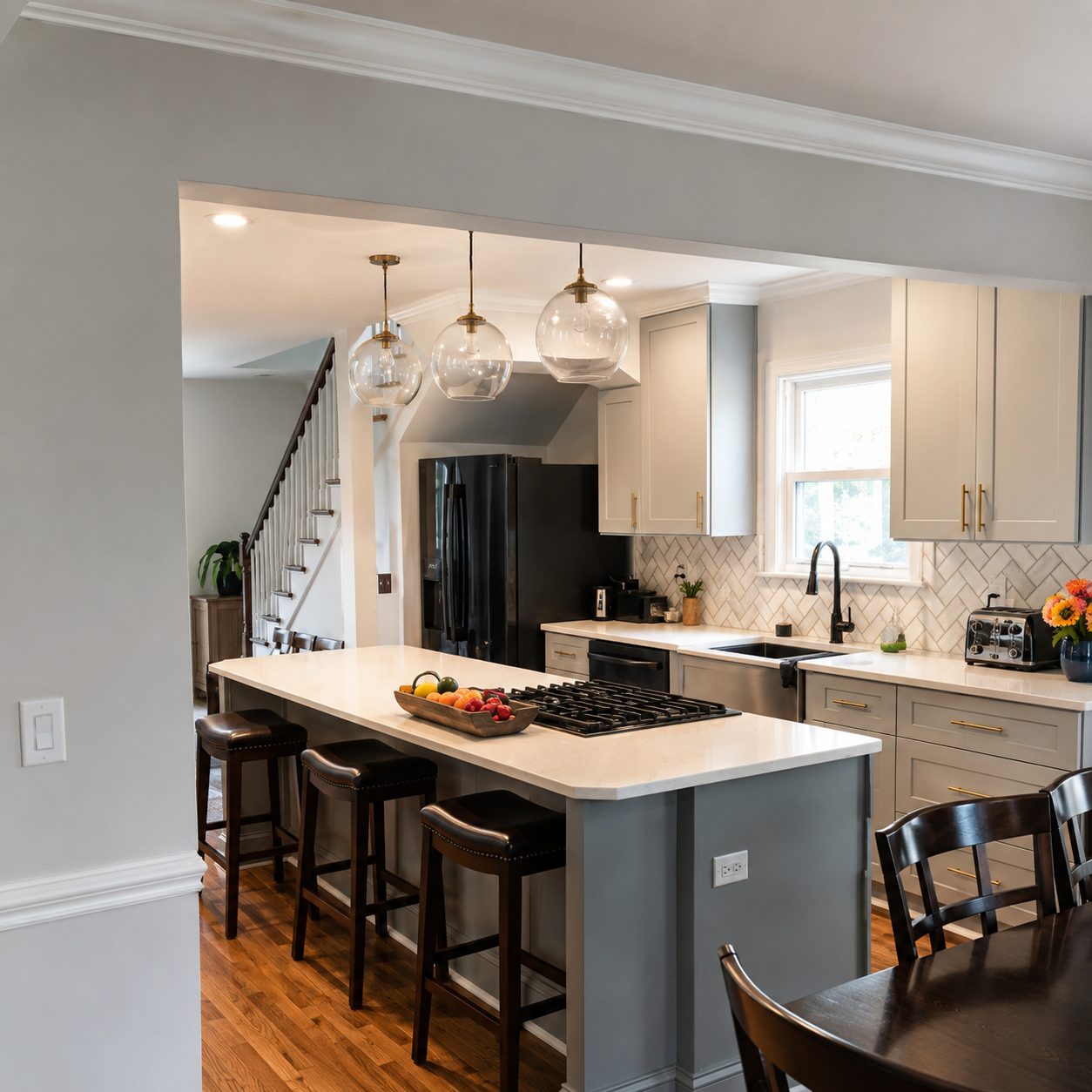
The right tile should feel like it belongs in the house.
That sounds simple, but many homeowners choose tile from a photo without considering the style of their own kitchen, living room, bathroom, fireplace wall, cabinets, counters, flooring, hardware, or lighting. A tile can look beautiful in one home and feel completely wrong in another.
Tile is not a standalone decision. It is part of the home's overall finish.
For homeowners in Davidson, Cornelius, Weddington, Waxhaw, Fort Mill, and the greater Charlotte area, the goal is usually not to make a tile project look trendy. The goal is to make the space feel more finished, more cohesive, and more intentional.
Start With the Home, Not the Tile
Before choosing tile, look at the home itself.
Consider:
- Cabinet style
- Countertop material
- Flooring
- Wall color
- Hardware finish
- Lighting
- Trim profile
- Ceiling height
- Fireplace style
- Existing architectural details
- Whether the home feels traditional, transitional, modern, coastal, farmhouse, organic, or builder-grade
A tile sample may look good by itself, but the real test is whether it works with the room.
The best tile choice should support the home's style rather than fight it.
Traditional Homes
Traditional homes usually work best with tile that feels classic, balanced, and not overly trendy.
Good options may include:
- Marble-look porcelain
- Natural stone
- Classic subway tile
- Soft neutral ceramic
- Basket weave
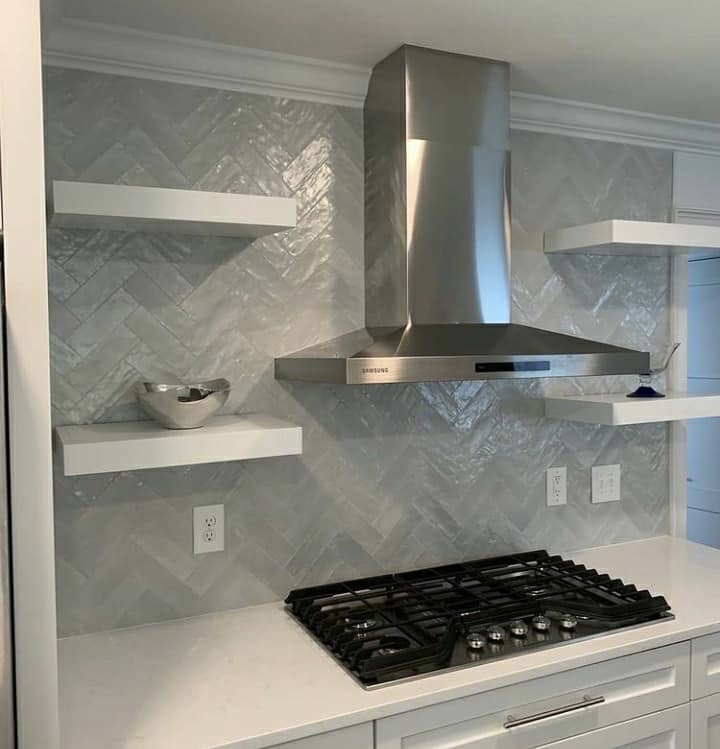
- Herringbone used with restraint
- Warm white tile
- Bullnose or softer finished edges
Traditional homes often benefit from symmetry and proportion. The tile should feel refined, not overly graphic.
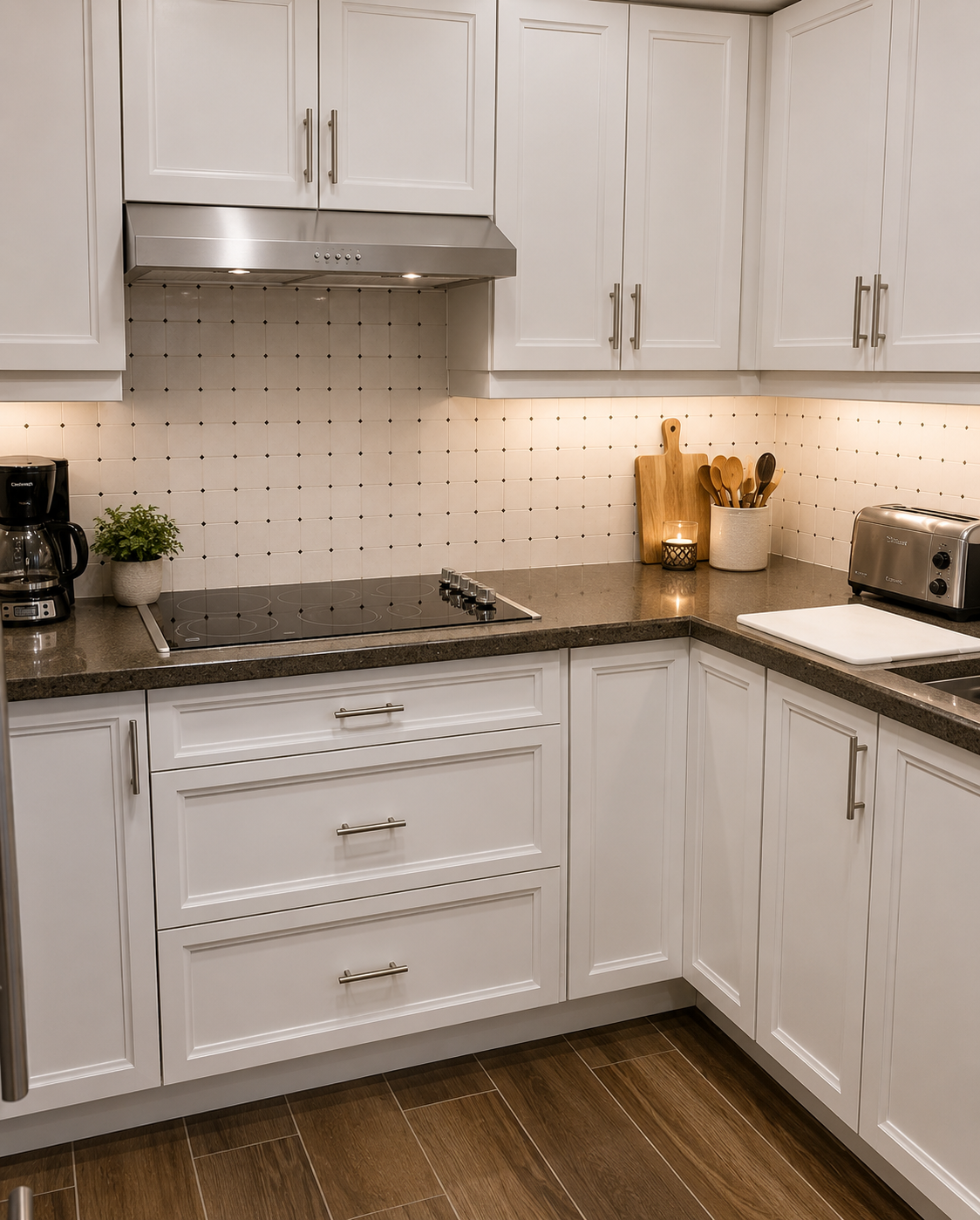
For backsplashes, classic subway tile, marble-look materials, or soft neutral tile can work well. For fireplaces, stone-look tile, marble-look porcelain, or a clean surround may fit better than a highly modern pattern.
Transitional Homes
Transitional homes blend classic and modern elements.
This is one of the most common design directions in higher-end Charlotte-area homes because it feels polished without being too formal.
Tile options may include:
- Handmade-look subway tile
- Vertical stack tile
- Large-format porcelain
- Marble-look porcelain
- Warm neutral tile
- Soft contrast grout
- Simple herringbone
- Clean fireplace surrounds
Transitional tile should feel updated but not disposable. It can have texture, movement, or a current layout, but it should still feel connected to the home.
This is often where CBC's detail-focused tile work fits best: clean layout, thoughtful grout, polished edges, and a finish that feels current without shouting.
Modern Homes
Modern homes usually need cleaner lines and less visual clutter.
Tile options may include:
- Large-format tile
- Straight stack tile
- Vertical stack tile
- Concrete-look porcelain
- Slab-inspired tile
- Matte finishes
- Minimal grout contrast
- Clean metal trim
- Full-height fireplace walls
Modern tile often relies on scale and precision rather than decorative detail.
The installation needs to be sharp because modern design has fewer elements to hide mistakes. Uneven grout, bad cuts, poor edges, and awkward stopping points are easier to notice.
Farmhouse-Inspired Homes
Farmhouse-inspired homes can work well with tile, but the design should be handled carefully.
Too much farmhouse styling can make the project feel dated quickly. The stronger approach is usually a cleaner, more refined version of warmth and texture.
Tile options may include:
- Handmade-look ceramic
- Warm white subway tile
- Soft gray or beige tile
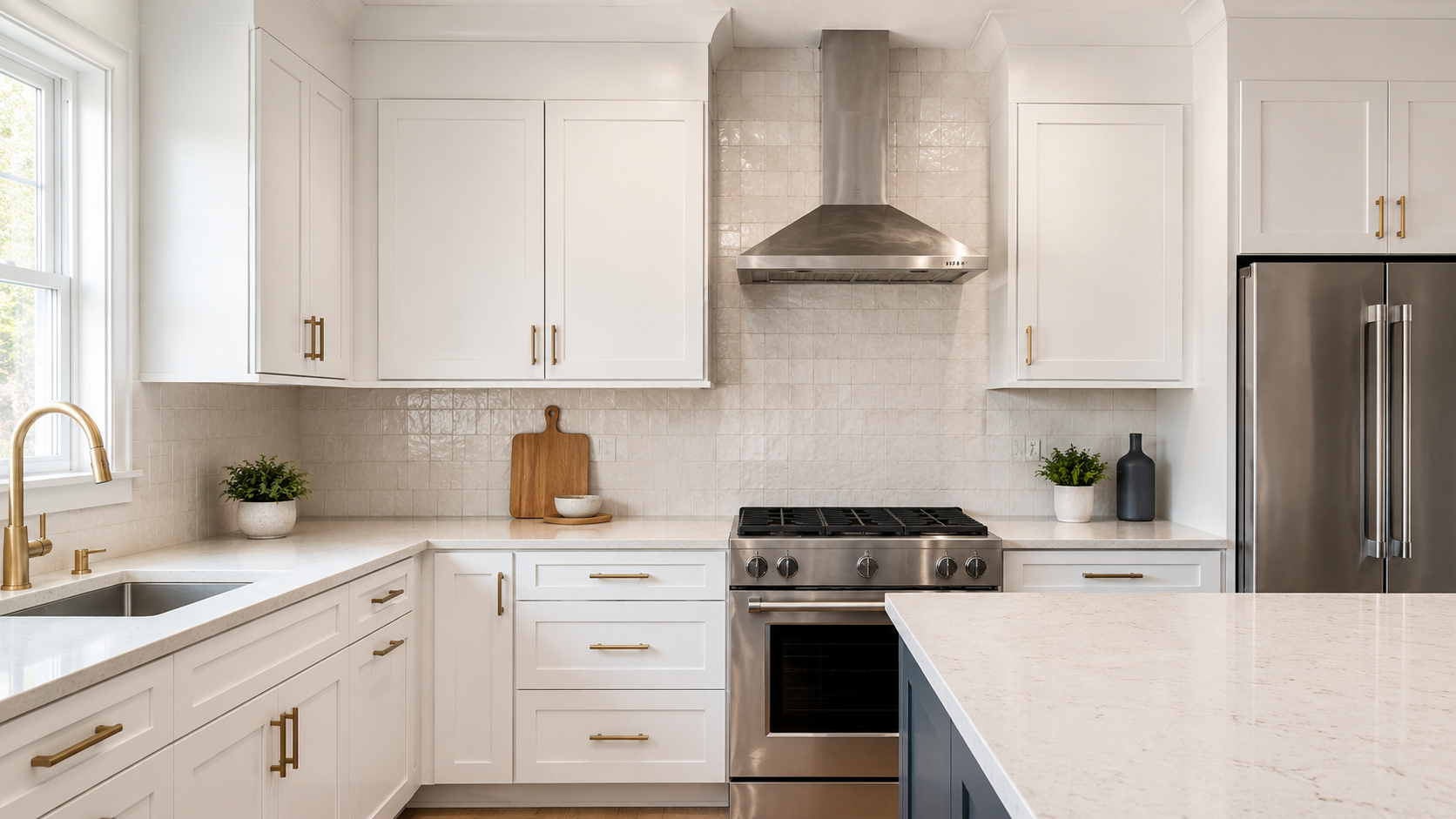
- Zellige-style tile
- Brick-look tile used selectively
- Textured neutrals
- Simple running bond layouts
- Soft grout contrast
The goal is warmth without making the tile feel overly themed.
A farmhouse-inspired kitchen can still feel premium when the tile is simple, the grout is thoughtful, and the edges are clean.
Coastal Homes
Coastal style works best when it feels light, natural, and relaxed without becoming overly literal.
Tile options may include:
- Soft white ceramic
- Pale blue or green tile
- Handmade-look tile
- Textured neutrals
- Marble-look porcelain
- Light stone-look tile
- Vertical stack tile
- Glossy tile used with restraint
Avoid making the tile feel like a beach decoration. In many homes, coastal style is strongest when it is subtle: light tones, natural texture, soft movement, and clean installation.
This can work especially well in lake-area homes or homes with strong natural light.
Luxury Homes
Luxury tile design is not always about bold tile.
In many higher-end homes, the most premium tile choices are controlled, well-scaled, and installed with precision.
Tile options may include:
- Large-format porcelain
- Marble-look porcelain
- Natural stone
- Slab-inspired fireplace tile
- Full-height backsplash features
- Textured tile
- Fluted tile
- Soft neutral handmade-look tile
- Minimal grout contrast
Luxury tile should not feel random. It should relate to the architecture, cabinetry, lighting, and surrounding finishes.
The difference often comes from scale, restraint, and execution.
Builder-Grade Homes
Builder-grade homes often have good layouts but basic finishes.
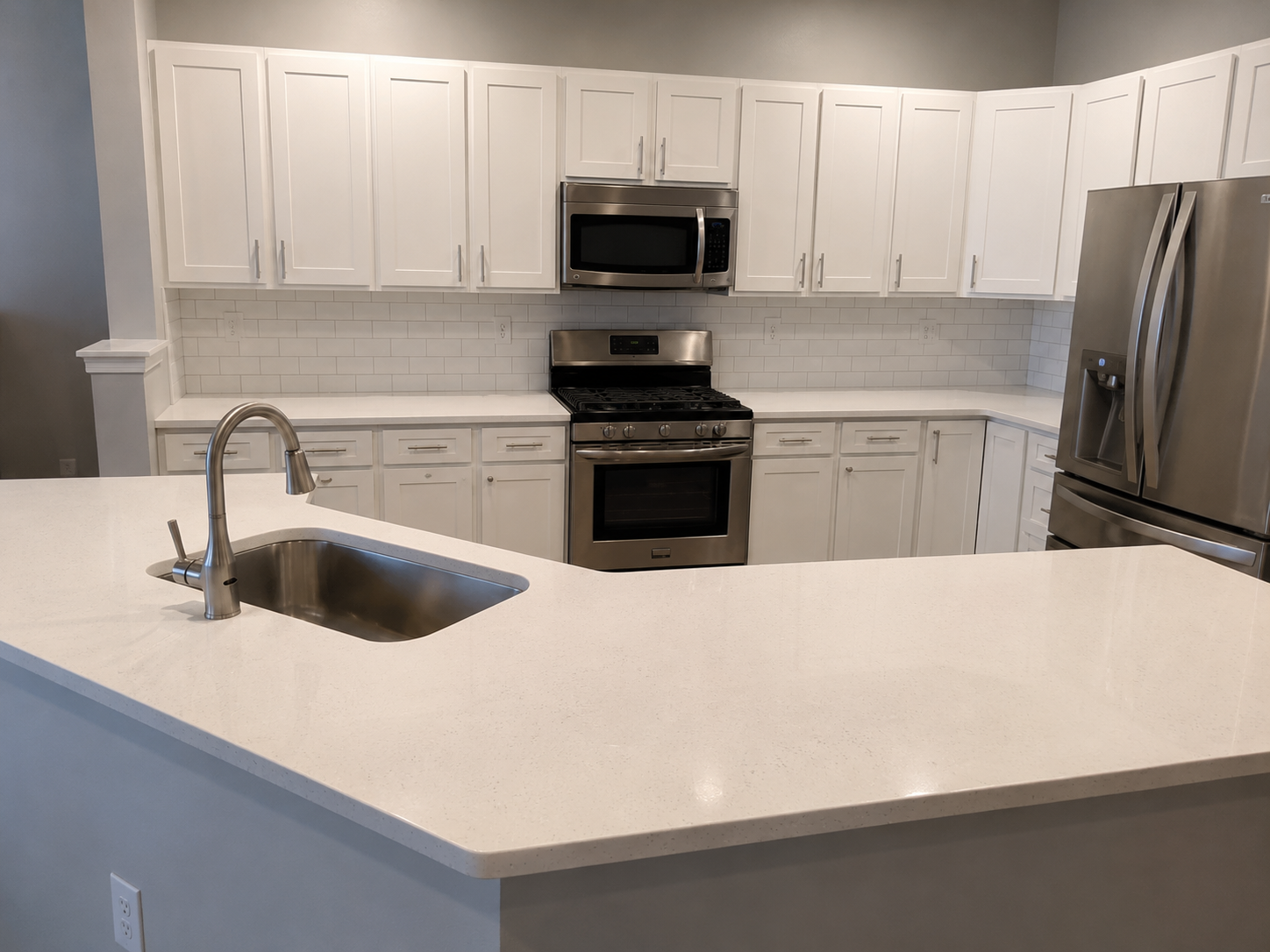
Tile can make these homes feel more custom without requiring a full remodel.
Good directions may include:
- Upgraded backsplash tile
- Vertical stack subway tile
- Handmade-look ceramic
- Warm neutral tile
- Marble-look porcelain
- Simple range-wall feature
- Fireplace surround update
- Vanity backsplash
- Powder bath tile
The goal is to add character without overbuilding the room.
A builder-grade kitchen or fireplace can feel significantly more finished with one focused tile upgrade when the material, layout, grout, and edge detail are chosen well.
Match Tile to the Room's Visual Weight
Visual weight matters.
A small room may not need heavy stone, dark grout, or a busy pattern. A large fireplace wall may need a larger-format tile or stronger material to feel proportional. A kitchen with dramatic countertops may need a quieter backsplash. A plain white kitchen may benefit from texture.
Ask:
- Does the room need more texture?
- Does it need less visual clutter?
- Does it need warmth?
- Does it need contrast?
- Does it need a focal point?
- Does it already have enough movement?
Tile should solve a design problem, not create a new one.
Consider Grout as Part of the Style
Grout changes the way tile reads.
Matching grout creates a softer look. Slight contrast grout defines the pattern. High contrast grout makes the layout more graphic.
For traditional and transitional homes, softer grout choices often feel more refined. For modern homes, controlled contrast can work when the layout is precise. For farmhouse or handmade-look tile, tonal grout often keeps the tile from feeling too busy.
Grout should be chosen with the tile, not after it. See how to choose the right grout color.
Avoid Copying a Trend Without Checking the Home
A trend photo can be useful, but it should not control the decision.
Before copying a look, compare the inspiration photo to your actual home:
- Are the cabinets similar?
- Are the countertops similar?
- Is the lighting similar?
- Is the room size similar?
- Is the flooring similar?
- Is the home style similar?
- Does the tile match your hardware and trim?
- Will the pattern still feel appropriate later?
The right tile should look good in your home, not only in the photo.
How CBC Helps Homeowners Choose Tile
CBC helps homeowners think about tile as part of the full room.
That includes material, layout, grout, edge detail, project scope, and the style of the home. A backsplash, fireplace, bathroom surface, or feature wall should feel connected to the room around it.
CBC can help review:
- Home style
- Tile material direction
- Pattern and layout
- Grout direction
- Edge detail
- Scale
- Maintenance expectations
- Existing finishes
- Project scope
The goal is not to chase trends. The goal is to create a finished tile project that feels like it belongs.
Explore backsplash installation services, fireplace tile services, and best backsplash materials for a high-end kitchen. View completed tile projects for reference.
Final Takeaway
The right tile should feel like it belongs in the house.
Traditional homes often need classic proportion. Transitional homes need clean warmth. Modern homes need precision. Farmhouse-inspired homes need texture without overdoing the theme. Coastal homes need lightness and restraint. Luxury homes need scale and execution. Builder-grade homes often need focused upgrades that make the space feel more custom.
Choose tile by looking at the whole room, not only the sample.
Need Help Choosing Tile That Fits Your Home?
CBC helps homeowners choose tile materials, layouts, grout direction, and finish details that feel connected to the home instead of copied from a trend photo.
Request an estimate to plan a tile project that fits your home.
FAQ
How do I choose tile that matches my home?
Start with the home's existing style, cabinets, counters, flooring, hardware, lighting, and architecture. Then choose tile that supports those finishes instead of competing with them.
What tile works best in a transitional home?
Handmade-look subway tile, large-format porcelain, marble-look porcelain, vertical stack tile, warm neutrals, and soft contrast grout often work well in transitional homes.
What tile makes a builder-grade home feel more custom?
An upgraded backsplash, fireplace surround, vanity backsplash, powder bath tile, or vertical stack tile can make a builder-grade home feel more custom without requiring a full remodel.
Should grout match the tile?
Matching or tonal grout often creates a softer, more refined look. Contrast grout can work, but it makes the pattern and any installation imperfections more visible.
Should I follow tile trends?
Trends can provide direction, but the tile should still fit the home. The best choices feel current without looking disconnected from the rest of the house.