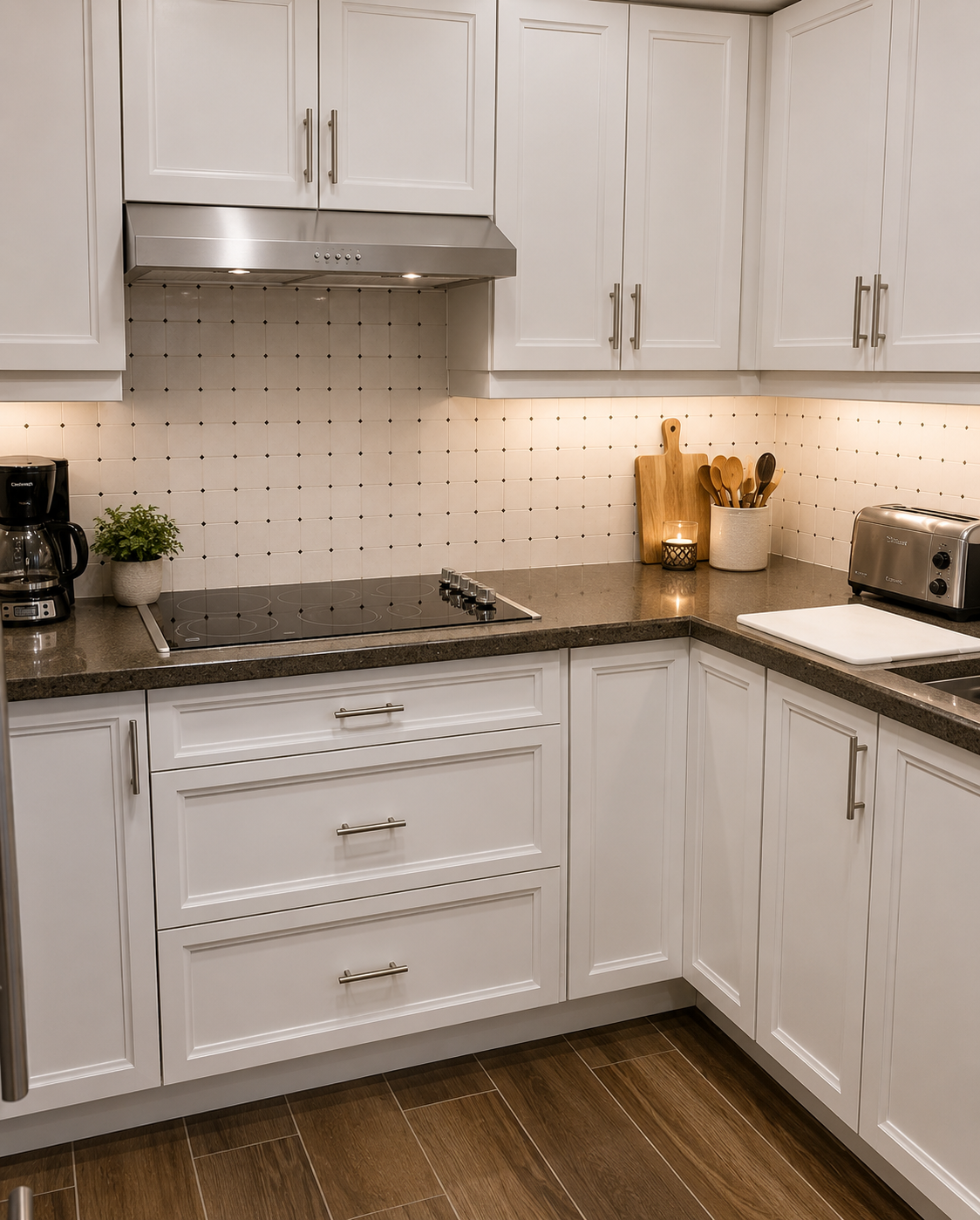
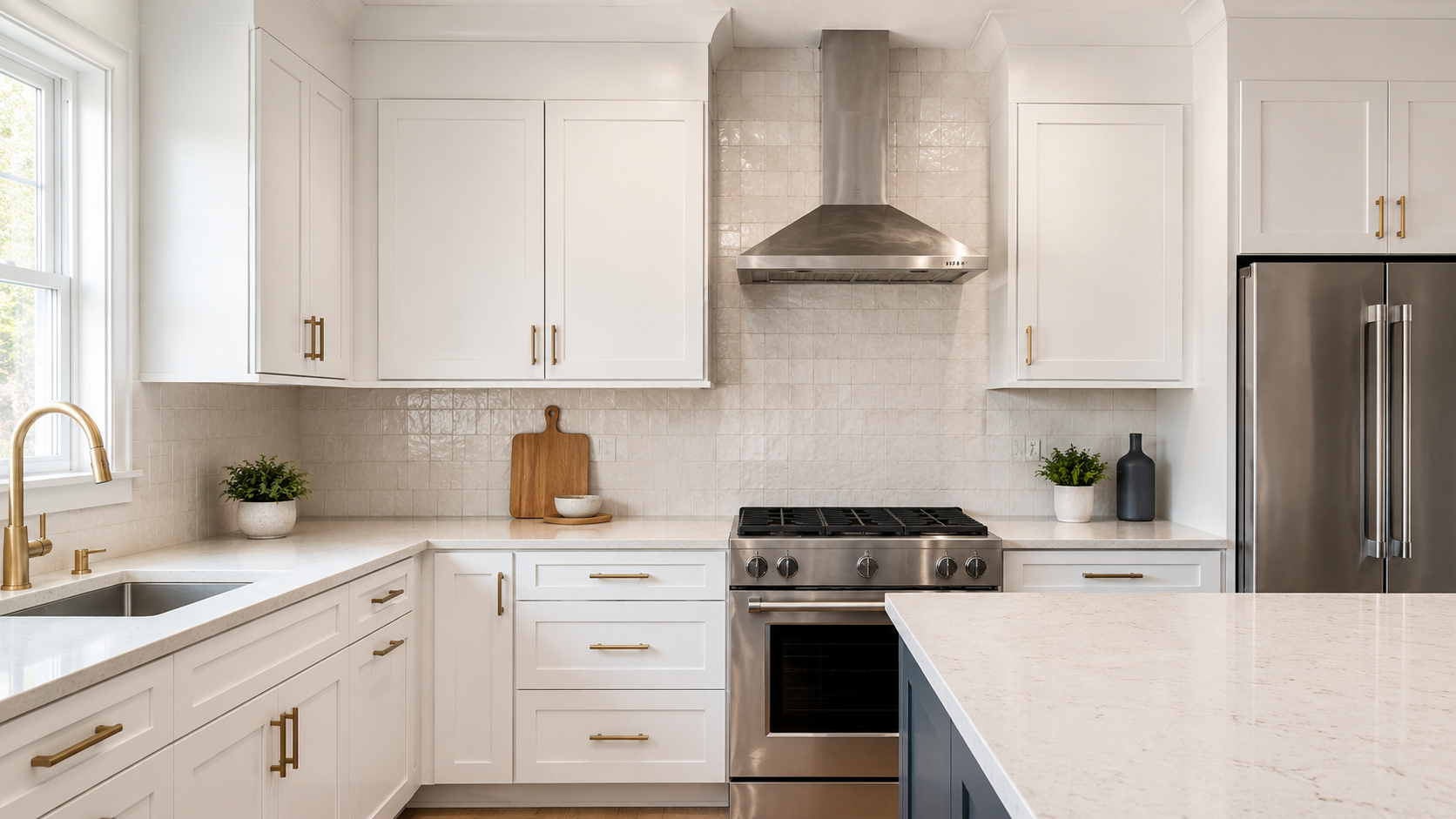
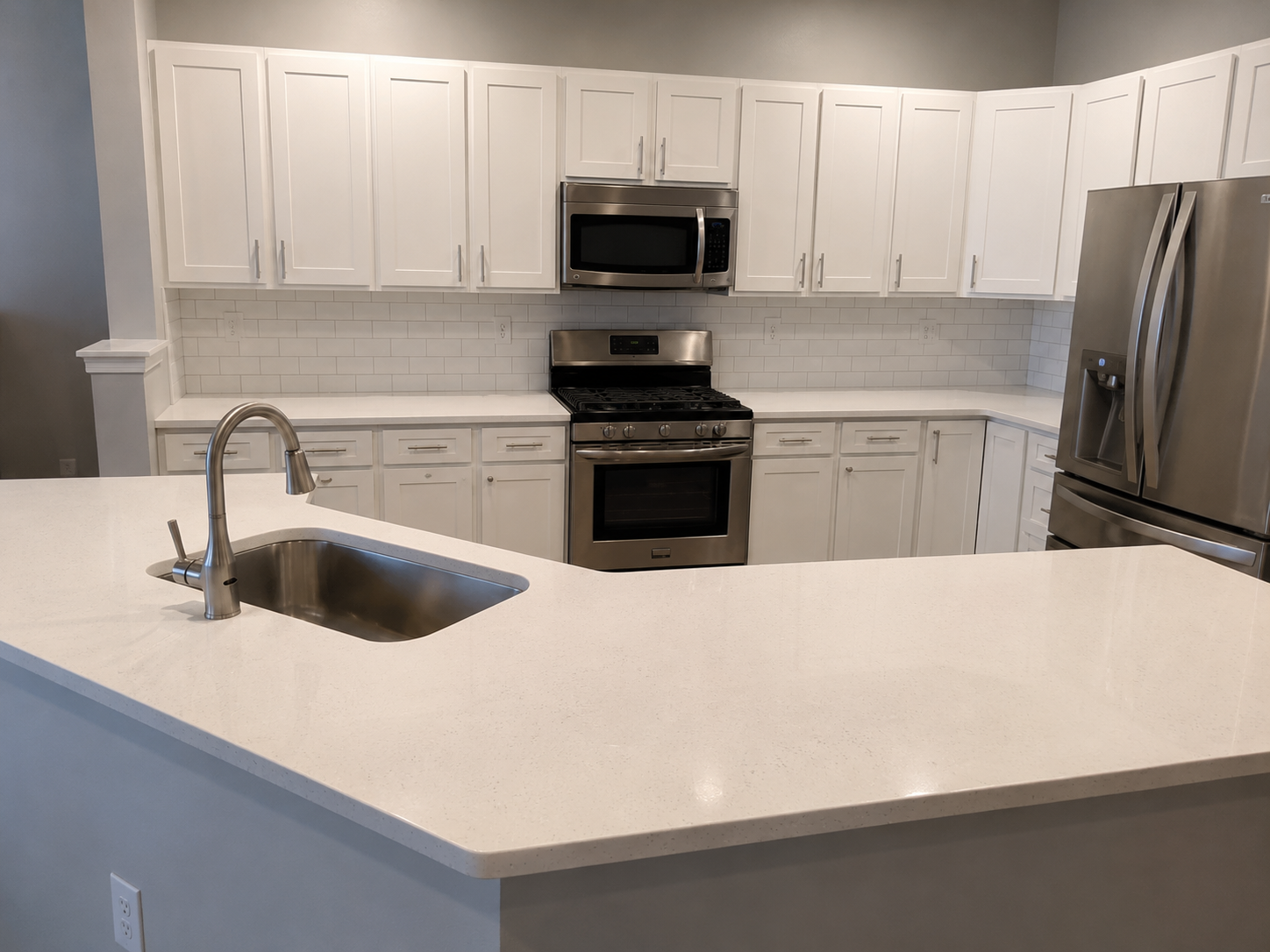
Pricing and Planning
The CBC Guide to Planning a Tile Project Before You Request an Estimate
A smoother estimate starts before the first appointment. This guide explains what homeowners should know before contacting CBC, including photos, measurements, inspiration images, tile preferences, timeline, budget range, decision-makers, and project goals.
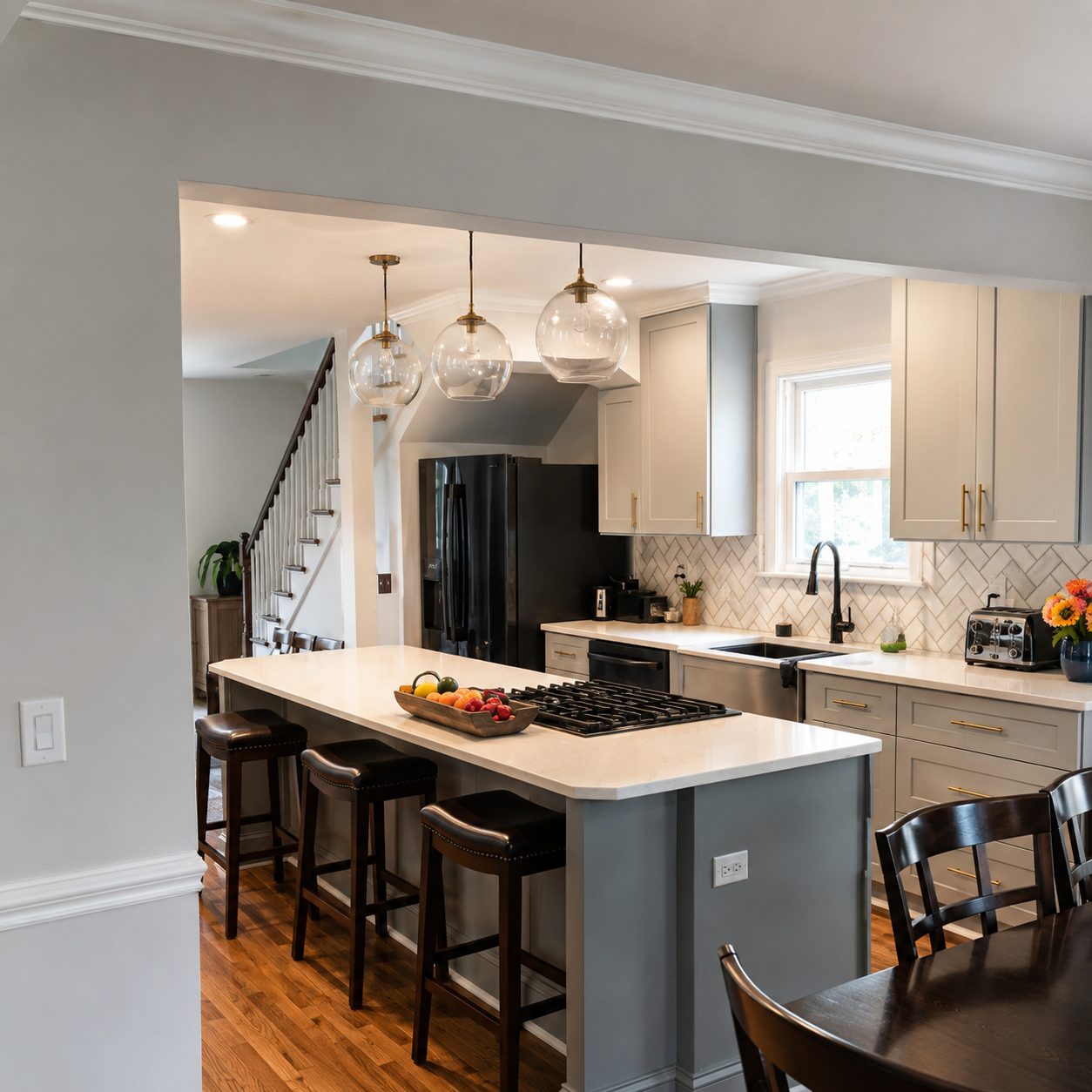
A smoother estimate starts before the first appointment.
Homeowners do not need to have every tile decision made before contacting CBC. They do not need exact square footage, final material selections, or a full design plan.
But the estimate process works better when the basic project information is clear.
Photos, rough measurements, inspiration images, tile preferences, timing, budget range, and decision-maker involvement can help turn a vague idea into a useful project conversation.
This guide explains how to prepare before requesting a tile estimate so the process feels organized, efficient, and easier to understand.
You Do Not Need Everything Figured Out
Many homeowners delay reaching out because they think they need every decision finalized.
That is not necessary.
Before requesting an estimate, it is helpful to know the general direction:
- What space are you upgrading?
- What surface needs tile?
- Is anything being removed?
- Are you replacing an existing finish or adding tile where there is none?
- Do you have a style direction?
- Do you have inspiration images?
- Are there timing needs?
- Are there budget expectations?
- Who needs to be involved in the decision?
The goal is not perfection. The goal is clarity.
CBC can help refine the details once the basic scope is understood. Read when tile is worth the investment if you are still deciding whether to move forward.
Start With the Type of Tile Project
The first step is identifying the project type.
Common CBC tile project types include:
- Kitchen backsplash
- Builder-grade backsplash replacement
- Fireplace surround
- Fireplace feature wall
- Select bathroom tile
- Shower tile
- Bathroom floor
- Vanity backsplash
- Powder bath tile
- Accent wall
- Feature wall
- Mudroom or laundry tile
- Entry tile detail
Each project type has different planning needs.
A backsplash may require outlet and edge planning. A fireplace may require hearth, mantel, and feature-wall scope review. A shower requires waterproofing, substrate, slope, and wet-area planning. A bathroom floor requires transition and material suitability review.
Knowing the project type helps shape the estimate conversation. Explore backsplash installation services, fireplace tile services, select bathroom tile upgrades, and accent and feature wall tile.
Take Clear Photos of the Existing Space
Photos are one of the most helpful things homeowners can provide before an estimate.
Good photos help CBC understand the current conditions, layout, and possible scope before the first conversation.
Helpful photos include:
- A wide photo of the full room
- A straight-on photo of the tile area
- Close-ups of problem areas
- Photos of existing tile, stone, or backsplash
- Photos of corners and edges
- Photos of outlets, switches, or fixtures
- Photos of the floor or transition areas
- Photos of the fireplace, mantel, or hearth
- Photos of the shower, niche, curb, or bathroom floor
The goal is to show both the overall space and the details.
A close-up alone is not enough. A wide photo alone may miss the conditions that affect scope.
Rough Measurements Are Helpful
Exact measurements are not always required before the first conversation, but rough measurements are useful.
For a backsplash, helpful measurements may include:
- Length of the backsplash area
- Height from countertop to cabinets
- Range-wall dimensions
- Number of outlets and switches
- Whether tile goes around windows or open walls
For a fireplace, helpful measurements may include:
- Width of the fireplace
- Height of the current surround
- Ceiling height
- Hearth dimensions
- Wall width
- Mantel height if applicable
For bathroom tile, helpful measurements may include:
- Shower wall dimensions
- Floor area
- Tub surround dimensions
- Vanity width
- Niche size if already existing
- Doorway or transition width
These measurements do not need to be perfect at the beginning. They simply help frame the scope.
Gather Inspiration Images
Inspiration images help communicate style.
They do not need to match the project exactly. They simply help show the direction the homeowner likes.
Useful inspiration images may show:
- Tile color
- Tile shape
- Pattern
- Grout tone
- Finished edges
- Range-wall ideas
- Fireplace feature walls
- Shower niches
- Bathroom floors
- Powder bath walls
- Overall room style
It is also useful to note what you like about the image.
For example:
- I like the warm white tile.
- I like the vertical layout.
- I like the fireplace going to the ceiling.
- I like the soft grout.
- I like the clean edge detail.
- I like that it feels simple but custom.
This helps avoid confusion because two people may look at the same image and notice different things.
Know What You Do Not Like
Knowing what you dislike can be just as helpful as knowing what you like.
Before requesting an estimate, think about what you want to avoid.
Examples may include:
- Too much pattern
- High contrast grout
- Glossy tile
- Cold gray tones
- Busy mosaics
- Rustic stone
- Trendy shapes
- Dark tile
- Visible metal trim
- Builder-grade finishes
- Tile that feels too plain
This information helps narrow the direction quickly.
CBC does not need homeowners to use technical design language. Simple reactions are enough.
Decide Whether Existing Material Needs Removal
Removal changes the project scope.
Before requesting an estimate, identify what is currently there.
For a backsplash:
- Is there existing tile?
- Is there a short countertop return?
- Is the wall painted drywall?
- Has anything been removed already?
For a fireplace:
- Is there existing tile, brick, stone, or drywall?
- Is the hearth staying?
- Is the mantel staying?
- Is the fireplace surround changing?
For a bathroom:
- Is existing tile being removed?
- Is this a shower, floor, tub surround, or vanity wall?
- Are there signs of damage?
- Are plumbing or fixtures changing?
Existing material removal can reveal hidden conditions. That does not mean the project is a problem, but it should be discussed early.
Think About the Timeline
Timing helps determine scheduling and material planning.
Before contacting CBC, think through:
- Are you hoping to start soon?
- Is there a deadline?
- Are you preparing to sell?
- Is this tied to another project?
- Are countertops being installed first?
- Are cabinets being painted?
- Is a fireplace mantel being replaced?
- Is shower glass being scheduled?
- Is flooring being done before or after tile?
Tile often connects with other home improvements.
The schedule should account for the correct order of work.
Have a Budget Range in Mind
A budget range helps guide the conversation.
It does not need to be exact, but it is useful to know whether the homeowner is planning for a focused upgrade, a mid-range improvement, or a premium feature project.
Budget affects:
- Material direction
- Pattern complexity
- Project scope
- Demo and prep decisions
- Feature wall options
- Edge details
- Timeline expectations
- Whether the project should be phased
CBC's role is to help explain what is realistic within the scope.
A clear budget range does not limit the conversation. It makes the conversation more productive.
Know Who the Decision-Makers Are
Tile is a visual decision, and it often affects shared spaces.
Before requesting an estimate, it helps to know who needs to approve the project.
Decision-makers may include:
- Spouses or partners
- Homeowners not present during the first visit
- Property owners
- Designers
- Builders
- Property managers
When decision-makers are not aligned, projects can slow down.
It is helpful for the right people to review material direction, scope, and budget before final approval.
Decide What Matters Most
Every homeowner has different priorities.
Before the estimate, identify what matters most.
Priorities may include:
- A premium finished look
- Staying within a budget range
- Minimizing disruption
- Updating a builder-grade finish
- Creating a focal point
- Improving resale presentation
- Matching the home's style
- Reducing maintenance
- Using a specific tile material
- Completing the project before an event
Knowing the main priority helps guide the project.
A homeowner who wants a quiet timeless backsplash may need a different recommendation than someone who wants a bold powder bath wall or a full fireplace feature.
Prepare Questions Before the Estimate
A good estimate should make the homeowner feel more informed.
Before reaching out, write down questions.
Helpful questions may include:
- What scope does this project fall into?
- Is removal included?
- What prep may be needed?
- What tile materials make sense?
- What layout would fit this space?
- What grout direction should I consider?
- How will edges be finished?
- How long might the project take?
- What could change the price?
- What should I purchase separately?
- What should I avoid with this tile choice?
The estimate process should be a conversation, not just a number. Learn how to compare tile contractor quotes before making a final decision.
What CBC Looks For During Project Review
CBC reviews tile projects through the lens of scope, material, prep, layout, and finish detail.
Depending on the project, CBC may consider:
- Surface condition
- Existing material
- Wall or floor prep needs
- Tile type
- Tile size
- Pattern complexity
- Grout direction
- Edge trim
- Outlets or fixtures
- Fireplace hearth and mantel details
- Shower waterproofing considerations
- Bathroom floor transitions
- Feature-wall proportions
- Cleanup and access
This helps determine what the project actually requires.
A smoother estimate comes from understanding these details before work begins. Review what to expect during a backsplash installation and understand CBC's project process.
What Homeowners Should Not Worry About Too Early
Some details can be finalized later.
Homeowners do not always need to know:
- Exact tile quantity
- Every trim profile option
- Final grout brand
- Technical setting material details
- Exact installation sequence
- Final schedule before material is selected
- Every small field measurement
These items can be clarified as the project moves forward.
The most important early information is project type, photos, rough dimensions, existing conditions, style direction, timeline, and budget range.
How Better Preparation Improves the Estimate
Preparation helps the estimate become more accurate and useful.
It helps clarify:
- What is included
- What is excluded
- What materials are assumed
- What conditions may affect price
- What the homeowner is trying to achieve
- Whether the project is simple, detailed, or custom
- Whether the timing is realistic
- Whether a site visit or additional review is needed
Better preparation does not mean the homeowner has to do the contractor's job.
It simply helps CBC understand the project faster. View completed tile projects for visual reference while planning.
Final Takeaway
A smoother estimate starts before the first appointment.
Homeowners do not need every detail finalized, but they should gather the basics: photos, rough measurements, inspiration images, tile preferences, timeline, budget range, and decision-maker input.
That information helps define the project scope and creates a better conversation.
A backsplash, fireplace, bathroom tile project, feature wall, or small tile upgrade can all be planned more clearly when the starting point is organized.
The better the project information, the easier it is to provide useful guidance.
Ready to Plan Your Tile Project?
CBC helps homeowners plan tile projects with clear scope, realistic expectations, organized communication, and detail-focused installation.
Request an estimate to start your tile project conversation.
FAQ
What should I prepare before requesting a tile estimate?
Prepare clear photos, rough measurements, inspiration images, tile preferences, timeline needs, budget range, and notes about existing materials or removal needs.
Do I need to choose tile before requesting an estimate?
No. You can request an estimate before choosing the final tile. However, having a general tile direction or inspiration images can help make the estimate more useful.
Are exact measurements required before contacting CBC?
Exact measurements are not always required before the first conversation. Rough dimensions and clear photos are usually enough to begin understanding the project scope.
Why does budget range matter for a tile estimate?
A budget range helps guide material direction, layout complexity, project scope, and whether the project should stay focused or move toward a more premium feature.
Who should be involved in the estimate process?
Anyone who needs to approve the design, budget, or timing should be involved early. This helps prevent delays and keeps the project direction clear.