Pricing and Planning
When Is Tile Worth the Investment?
Tile is worth the investment when the surface is highly visible, frequently used, or central to the room. This guide helps homeowners decide when tile makes sense for visual impact, durability, resale preparation, personal enjoyment, and finishing an otherwise upgraded space.
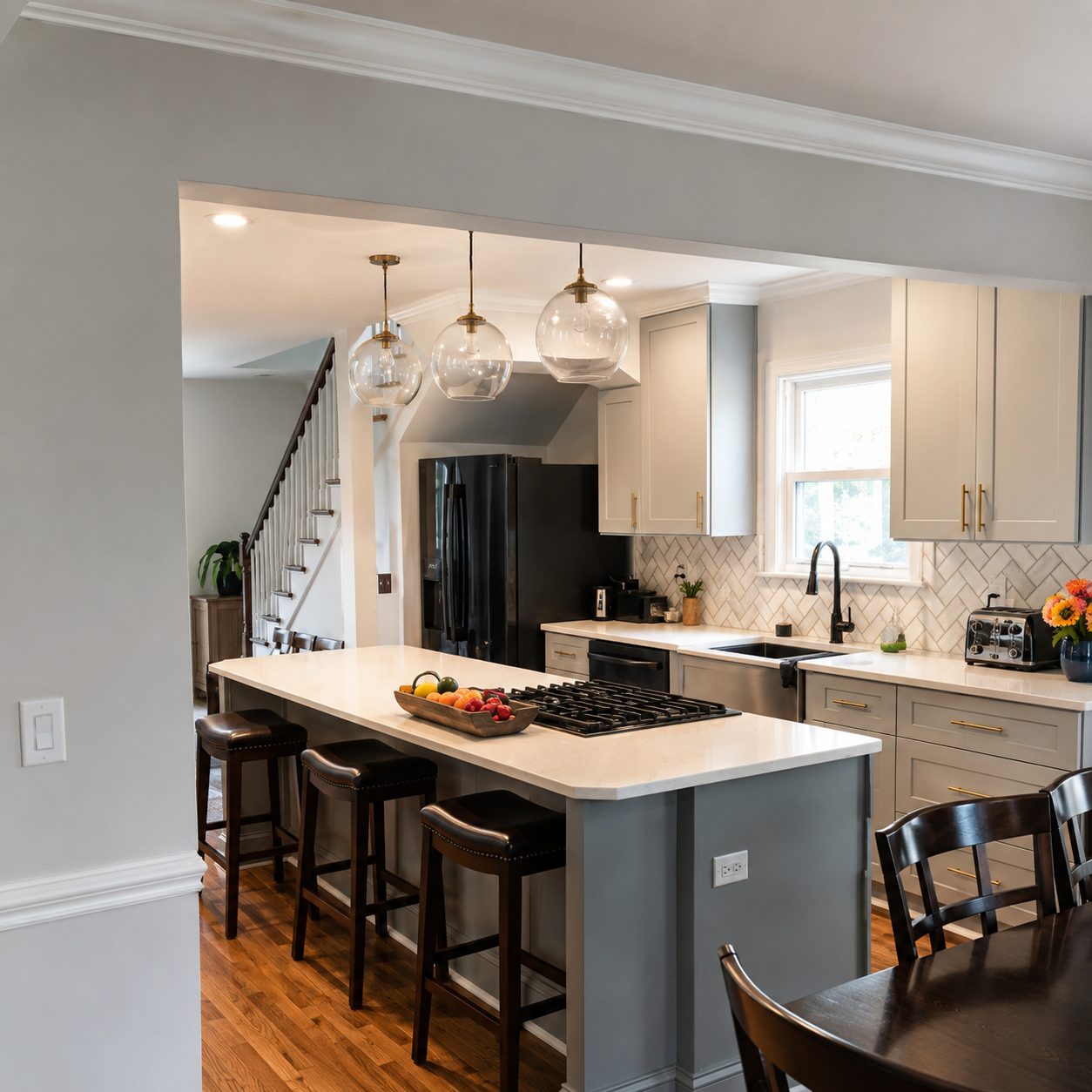
Tile is worth the investment when the surface is highly visible, frequently used, or central to the room.
That does not mean every tile project is worth doing immediately. It also does not mean the most expensive tile is always the best choice. A good tile upgrade should solve a real problem in the home: a kitchen that feels unfinished, a fireplace that lacks presence, a bathroom that feels dated, a builder-grade finish that feels too plain, or a surface that gets used every day and needs to be more durable, cleaner, or more polished.
For budget-aware premium homeowners, the question is not only, "Can we afford this tile project?"
The better question is, "Will this tile upgrade meaningfully improve the way the room looks, functions, or feels?"
Tile Is Worth It When the Surface Is Highly Visible
The more visible the surface, the more impact tile can have.
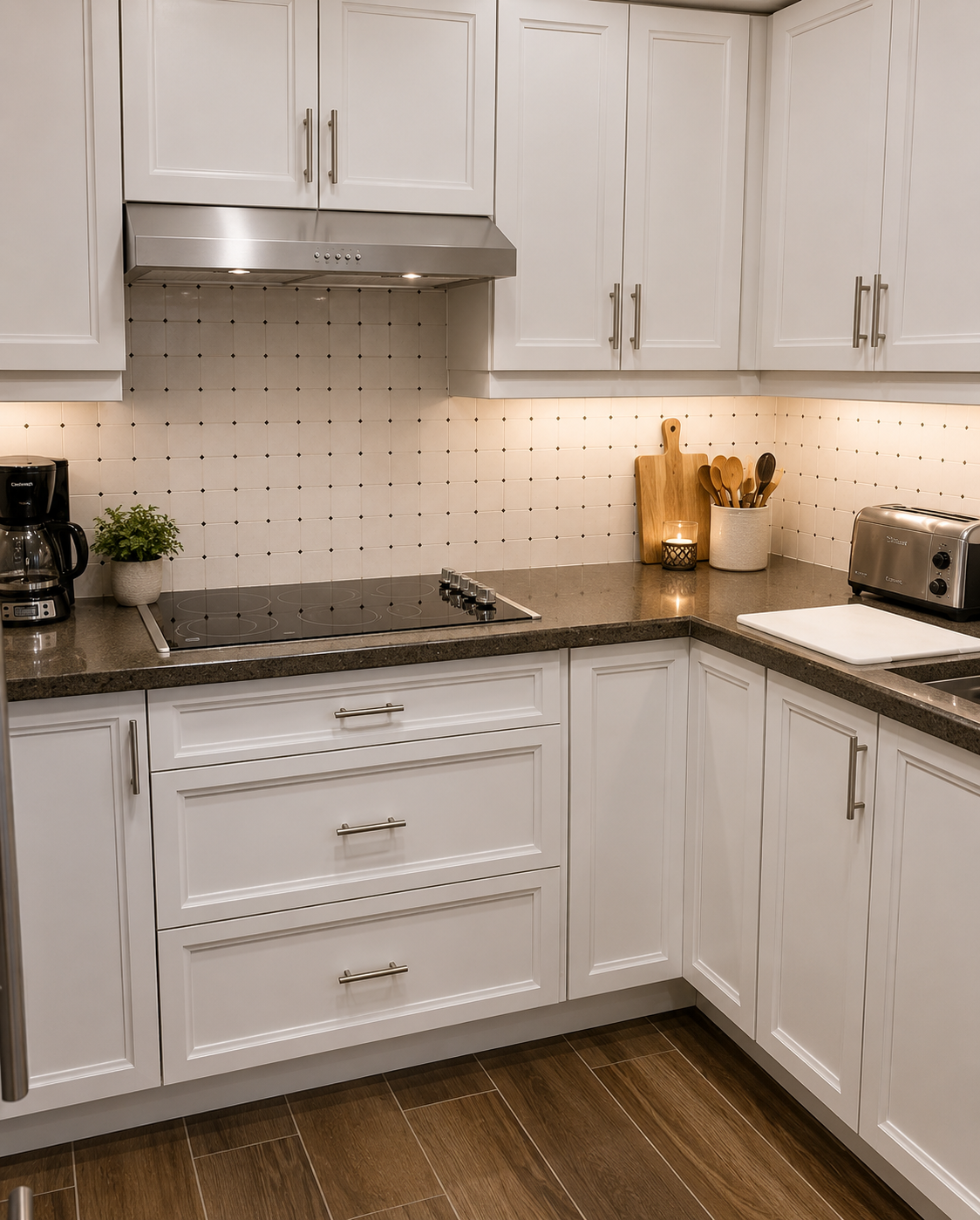
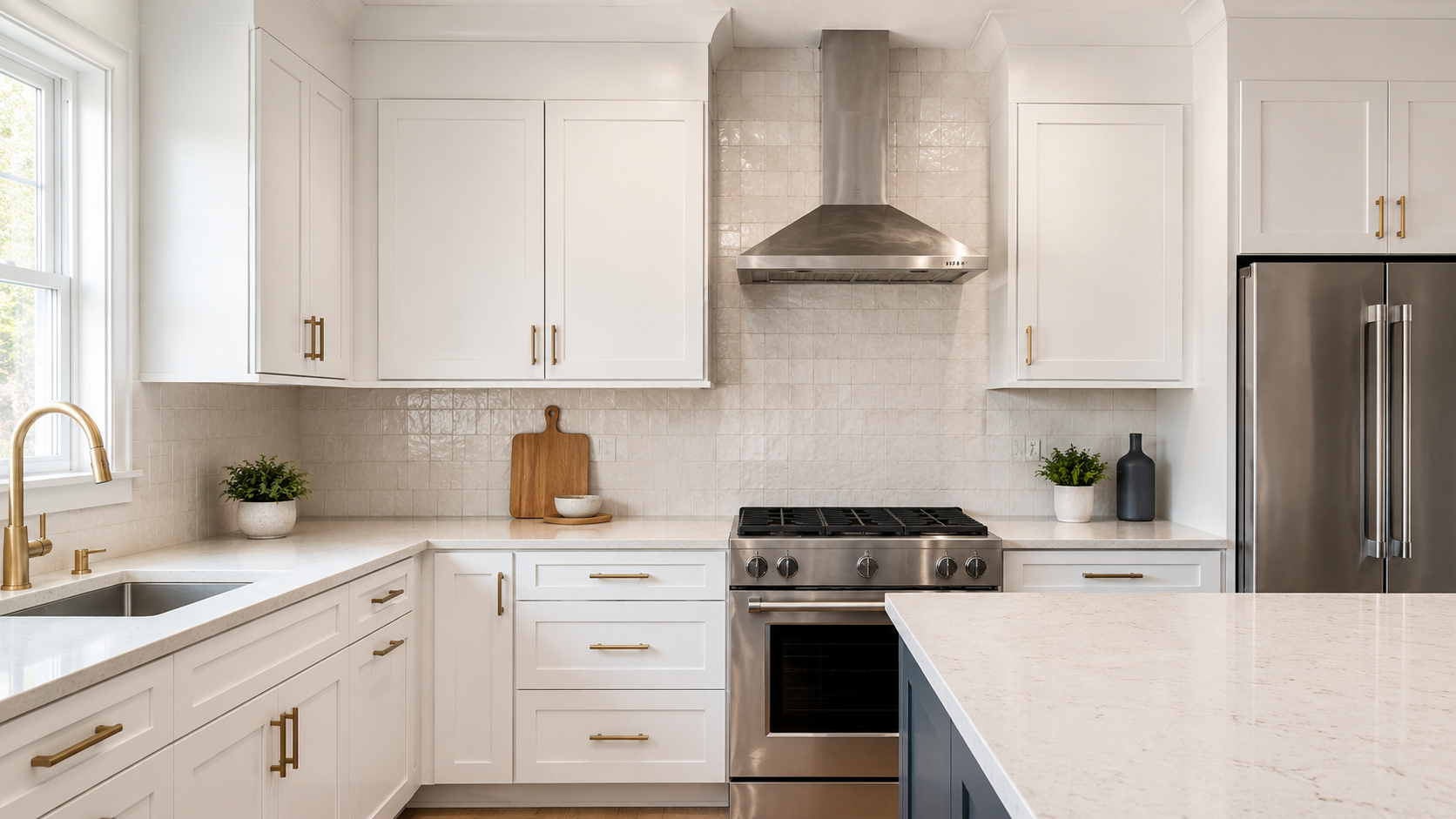
A kitchen backsplash, fireplace wall, shower wall, bathroom floor, powder bath vanity wall, or entry detail can change the feel of a room because those areas are seen often.
High-visibility tile surfaces include:
- Kitchen backsplashes
- Range walls
- Fireplace surrounds
- Full-height fireplace walls
- Shower walls
- Bathroom floors
- Powder bath walls
- Vanity backsplashes
- Mudroom floors
- Entry transitions
If a surface is tucked away or rarely noticed, it may not be the best first investment. But when a tile surface is part of the main view of the room, upgrading it can create a strong visual return.
A backsplash at eye level often matters more than homeowners expect. A fireplace that anchors the living room can change the entire space. A shower wall used every day can make a bathroom feel cleaner and more complete.
Before committing to a kitchen backsplash, it helps to understand kitchen backsplash cost in the Charlotte area. For fireplace upgrades, review fireplace tile installation cost as part of the planning conversation.
Tile Is Worth It When the Room Feels Almost Finished
Some rooms do not need a full remodel.
They need one stronger surface.
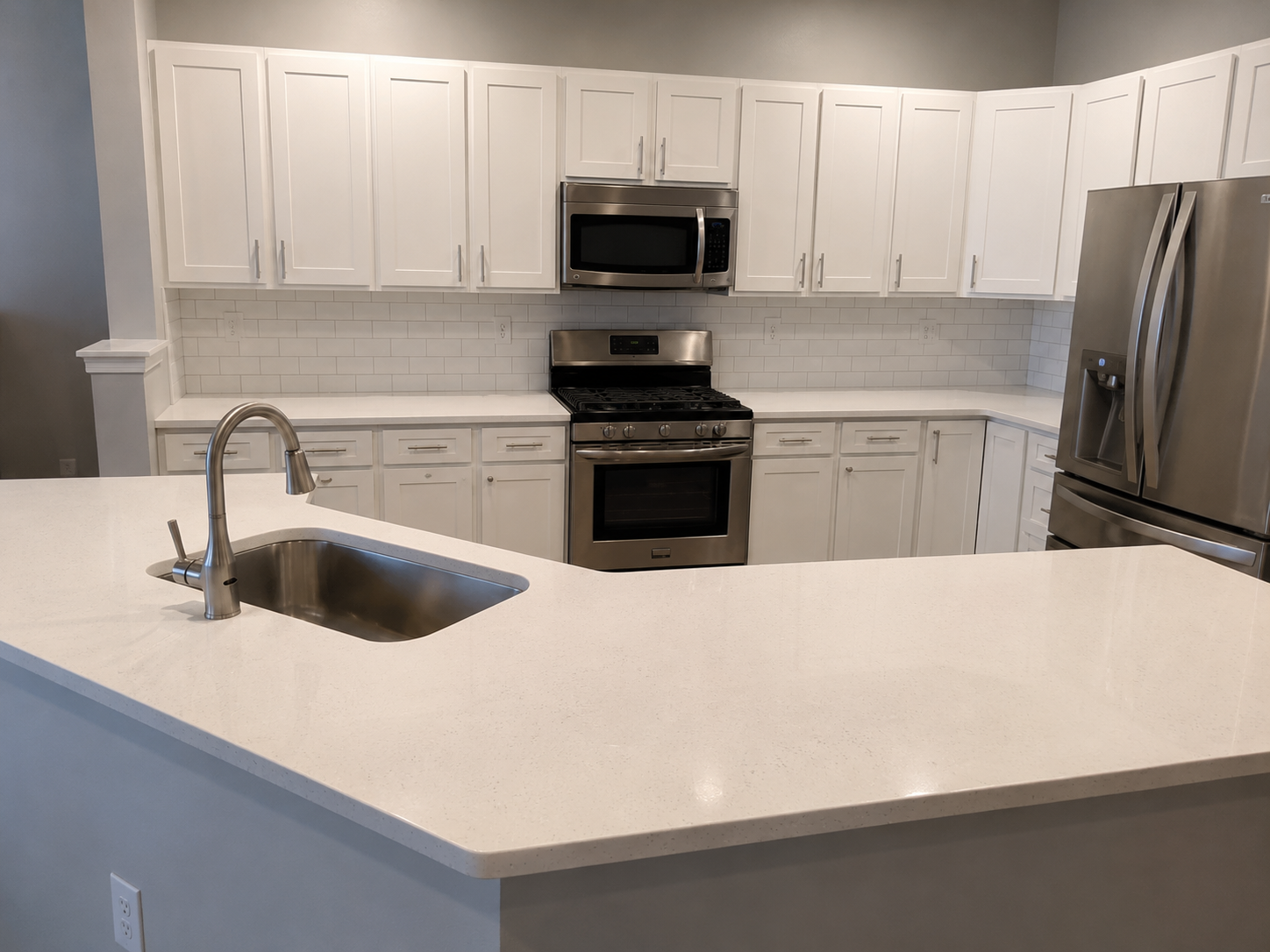
This is common in newer suburban homes where the layout is functional and the finishes are acceptable, but the room still feels generic. The cabinets may be fine. The countertops may be staying. The fireplace may work. The bathroom layout may still make sense.
In those cases, tile may be worth the investment because it completes what is already there.
Tile can help when:
- The kitchen feels builder-grade
- The fireplace feels unfinished
- The bathroom feels clean but plain
- The room lacks texture
- The finishes do not feel connected
- The home has been upgraded in other areas
- One surface is holding the room back
A focused tile upgrade can make an otherwise good room feel intentional. See small tile upgrades that make a home feel more custom for focused upgrade ideas.
Tile Is Worth It When the Surface Is Used Every Day
Tile is not only decorative.
It is also practical.
In kitchens, bathrooms, mudrooms, laundry rooms, and entries, tile can support daily use while also improving appearance.
Frequently used tile surfaces include:
- Kitchen backsplashes behind cooking areas
- Shower walls
- Shower floors
- Bathroom floors
- Mudroom floors
- Laundry room floors
- Vanity backsplashes
- Tub surrounds
- Entry floors
These surfaces deal with water, splatter, cleaning, foot traffic, humidity, or repeated use.
When a surface is both visible and functional, tile can be especially worth the investment. The homeowner benefits from the appearance and the daily performance. Explore select bathroom tile upgrades for wet-area and bathroom-focused projects.
Tile Is Worth It When It Creates a Focal Point
Some rooms need a focal point.
A fireplace wall, range wall, powder bath, shower feature, or backsplash can create a place where the eye naturally lands. In open-concept homes, this matters even more because multiple rooms are visible at once.
Tile can create a focal point through:
- Texture
- Pattern
- Scale
- Material contrast
- Vertical height
- Full-height installation
- A range-wall feature
- A fireplace wall
- A shower niche or feature wall
A focal point does not need to be loud. It needs to be intentional.
A well-planned backsplash can anchor the kitchen. A fireplace tile wall can define the living room. A powder bath tile wall can make a small room feel custom.
Tile Is Worth It When the Existing Finish Feels Generic
Builder-grade finishes are not automatically bad.
They are often neutral and functional. The issue is that they may not feel personal, polished, or connected to the homeowner's style.
Tile may be worth replacing when the existing finish is:
- Too plain
- Dated
- Poorly installed
- Visually flat
- Mismatched with newer finishes
- Too cold or too generic
- Lacking texture
- Ending awkwardly
- Not proportionate to the room
A builder-grade backsplash, plain fireplace surround, basic shower tile, or generic bathroom floor can make a room feel less custom than the rest of the home.
Tile is often worth the investment when it turns a standard surface into a finished detail.
Tile Is Worth It When Durability Matters
Tile can be a strong choice in areas that need to hold up to regular use.
That includes wet areas, floors, cooking zones, utility spaces, and areas where painted drywall or basic finishes may not feel appropriate.
Durability depends on the right material and installation. Porcelain, ceramic, natural stone, glass, and other materials all have different uses and maintenance needs.
Tile can make sense when the surface needs:
- Better cleanability
- More water resistance
- More durability than paint
- A stronger finished surface
- Protection from splatter or daily use
- A more permanent material
- A finish that supports frequent cleaning
Durability is not only about the tile itself. It also depends on prep, substrate, setting materials, grout, edge details, and installation quality.
Tile Is Worth It Before Selling When the Existing Surface Hurts the Room
Tile can be worth considering before selling a home if the existing surface makes a room look dated, unfinished, or less competitive.
This is especially true if the kitchen or living room photographs poorly.
A resale-focused tile upgrade may make sense when:
- The kitchen is otherwise in good condition
- The backsplash looks dated or too basic
- The fireplace is a main focal point but feels unfinished
- A bathroom looks clean but outdated
- The existing tile is damaged
- A small tile surface affects the whole room
- The project scope can stay controlled
For resale, the best tile direction is usually broad appeal.
That often means clean, neutral, professional, and well-installed. A highly personal tile choice may not be the best resale decision.
Tile Is Worth It for Personal Enjoyment
Not every home improvement decision has to be resale-driven.
Homeowners live with their spaces every day. If a tile upgrade makes the kitchen more enjoyable, the fireplace more finished, or the bathroom feel more polished, that value matters.
Tile may be worth it for personal enjoyment when:
- The homeowner notices the current surface every day
- The room no longer fits the homeowner's style
- The space feels unfinished
- The home has been upgraded elsewhere
- The surface is part of daily routines
- The homeowner plans to stay in the home
- The upgrade would improve how the room feels
A backsplash, fireplace, shower, or powder bath tile upgrade can change the way a homeowner feels about the room without changing the entire house.
Tile May Not Be Worth It Yet If Bigger Changes Are Coming
Tile is not always the right first step.
It may be better to wait if larger changes are likely soon.
Tile may not be worth doing yet if:
- Countertops will be replaced soon
- Cabinets will be changed
- The fireplace layout will change
- Plumbing will move
- Shower size will change
- The bathroom layout is being redesigned
- Flooring will be replaced soon
- The homeowner has not chosen a design direction
- The surface is likely to be removed during a larger remodel
Tile should support the long-term plan for the room.
Installing a new backsplash before changing countertops may lead to wasted work. Upgrading a fireplace surround before deciding on built-ins may limit options. Retiling a shower before addressing layout or moisture concerns may not be the right investment.
Tile May Not Be Worth It If the Scope Is Too Small to Solve the Problem
A small tile upgrade works best when it solves a clear issue.
It may not be worth it if the tile surface is not the real problem.
For example:
- A backsplash may not fix a kitchen with failing cabinets
- A new floor may not fix a bathroom with layout problems
- A fireplace tile refresh may not solve a poorly proportioned wall
- A vanity backsplash may not help if the vanity itself needs replacement
- Accent tile may not improve a room with broader design issues
This does not mean tile is the wrong choice. It means the project should be scoped correctly.
A focused upgrade should be chosen because it creates real improvement, not because it avoids a larger issue that still needs to be addressed.
The Best Tile Investments Are Focused
The strongest tile projects are often focused and intentional.
They improve one visible surface rather than trying to change everything.
High-impact focused upgrades include:
- Replacing a builder-grade backsplash
- Creating a range-wall focal point
- Updating a fireplace surround
- Installing a full-height fireplace feature
- Upgrading a shower wall
- Adding a bathroom floor
- Creating a powder bath tile wall
- Adding a vanity backsplash
- Improving a mudroom or laundry room floor
A focused tile investment should feel connected to the rest of the home.
It should add polish, texture, function, or visual structure in a way the homeowner will actually notice.
Installation Quality Affects Whether Tile Feels Worth It
Tile only feels worth the investment when the finished result looks right.
A poor installation can make even expensive tile feel disappointing.
Installation details that affect value include:
- Surface prep
- Layout planning
- Grout selection
- Clean cuts
- Edge finishing
- Transitions
- Waterproofing in wet areas
- Outlet and fixture cuts
- Niche details
- Fireplace alignment
- Cleanup and final presentation
The tile itself is only one part of the investment.
Professional installation helps protect the value of the material and the look of the finished room. Learn how to compare tile contractor quotes and read about why the cheapest tile installer can cost more in the long run.
How CBC Helps Homeowners Decide If Tile Makes Sense
CBC is not interested in pushing every homeowner into the largest possible project.
A better tile project starts with understanding whether the surface is worth upgrading and what level of scope makes sense.
CBC can help homeowners review:
- Visibility
- Daily use
- Existing finish condition
- Material direction
- Room style
- Project scope
- Budget expectations
- Installation complexity
- Timing
- Whether tile fits the larger plan
The goal is to help the homeowner make a clear decision.
Sometimes a backsplash is the right move. Sometimes the fireplace should come first. Sometimes a bathroom floor or shower wall creates the most impact. Sometimes it makes sense to wait until other decisions are made.
Explore backsplash installation services, fireplace tile services, and view completed tile projects to see focused upgrade options.
Final Takeaway
Tile is worth the investment when the surface is highly visible, frequently used, or central to the room.
It makes sense when it adds visual impact, improves durability, supports resale preparation, increases personal enjoyment, or finishes an otherwise upgraded space.
It may not make sense yet if larger changes are coming, the scope does not solve the real issue, or the design direction is not clear.
The best tile investments are focused, practical, and well-executed.
A tile project should make the room feel more finished, not just more expensive.
Wondering If Tile Is Worth It for Your Home?
CBC helps homeowners decide whether a focused tile upgrade makes sense based on visibility, daily use, room impact, material direction, scope, and finish expectations.
Request a tile estimate to review the best upgrade direction for your home.
FAQ
When is tile worth the investment?
Tile is worth the investment when the surface is highly visible, frequently used, or central to the room. Backsplashes, fireplaces, shower walls, bathroom floors, powder baths, and mudrooms are often strong candidates.
Is a kitchen backsplash worth it?
A backsplash can be worth it when the kitchen feels unfinished, builder-grade, dated, or visually flat. Because it sits at eye level, a backsplash can make a major difference without requiring a full kitchen remodel.
Is fireplace tile worth it?
Fireplace tile can be worth it when the fireplace is a central focal point but feels plain, dated, or under-designed. A better surround or feature wall can make the living room feel more complete.
Should I install tile before selling my home?
Tile may be worth considering before selling if the existing surface makes a kitchen, fireplace, or bathroom look dated or unfinished. For resale, choose a clean, neutral, professional finish with broad appeal.
When should I wait before starting a tile project?
It may be better to wait if countertops, cabinets, flooring, plumbing, or the room layout will change soon. Tile should support the long-term plan for the space.