Materials and Design
How Tile Changes the Feel of an Open-Concept Home
In an open-concept home, tile helps decide where the eye lands. This guide explains how backsplashes, fireplaces, and feature walls create focal points, texture, warmth, contrast, and visual structure in connected kitchens and living spaces.
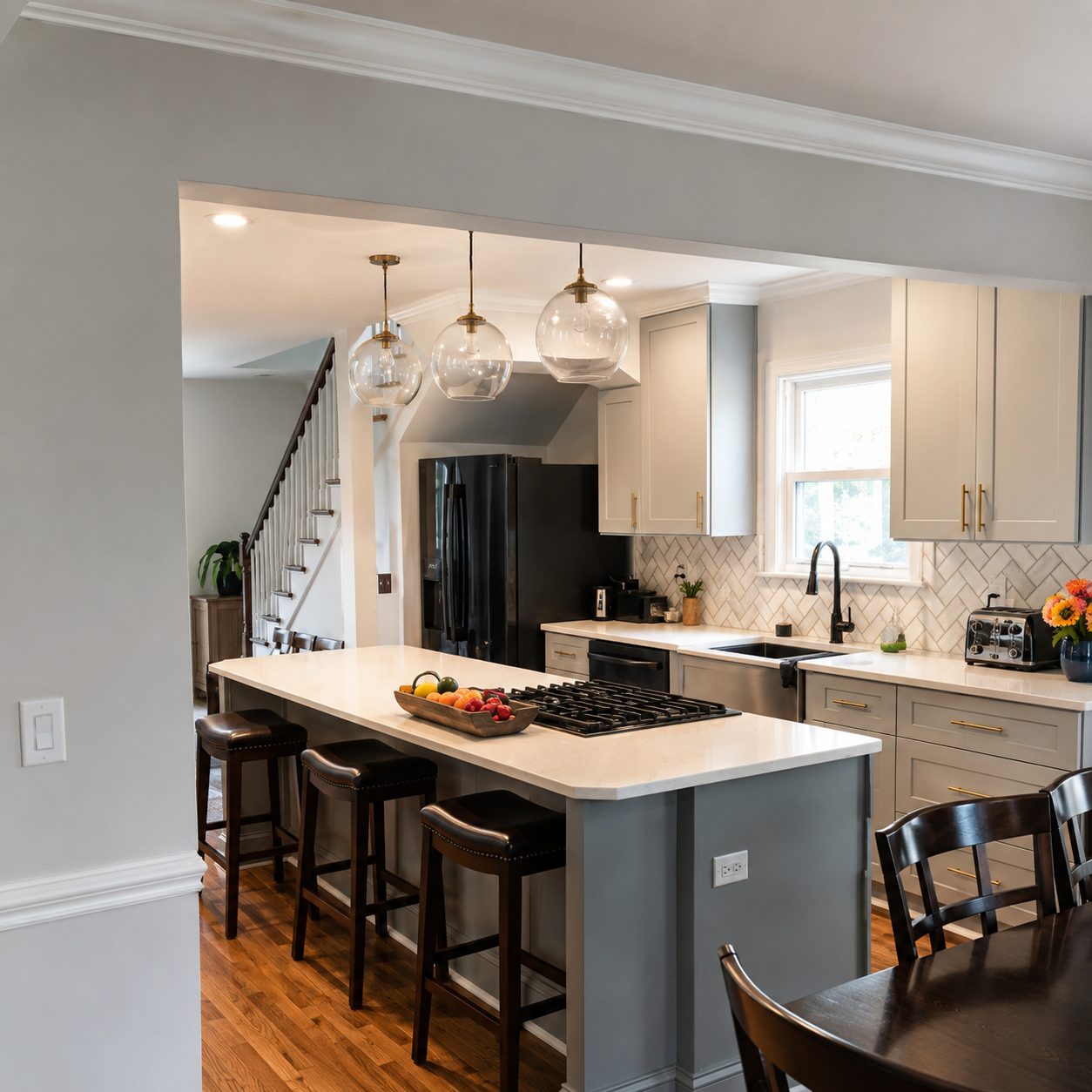
In an open-concept home, tile helps decide where the eye lands.
When the kitchen, dining area, and living room are visually connected, every finish has more responsibility. A backsplash is no longer seen only from the kitchen. A fireplace is no longer just part of the living room. A feature wall may be visible from the entry, island, breakfast area, or stairway.
That is why tile can have such a strong effect in open-concept homes.
It can create focal points, add texture, define zones, bring warmth, create contrast, and help connected spaces feel more finished without adding walls.
For many Charlotte-area suburban homes in places like Fort Mill, Waxhaw, Weddington, Tega Cay, and Harrisburg, open layouts are common. The challenge is making those open spaces feel cohesive instead of flat.
Open-Concept Homes Need Visual Structure
Open-concept homes are popular because they feel spacious, bright, and connected.
But without strong finish details, they can also feel undefined.
When fewer walls separate rooms, the eye needs clear anchors.
Tile can help create those anchors through:
- A kitchen backsplash
- A range-wall focal point
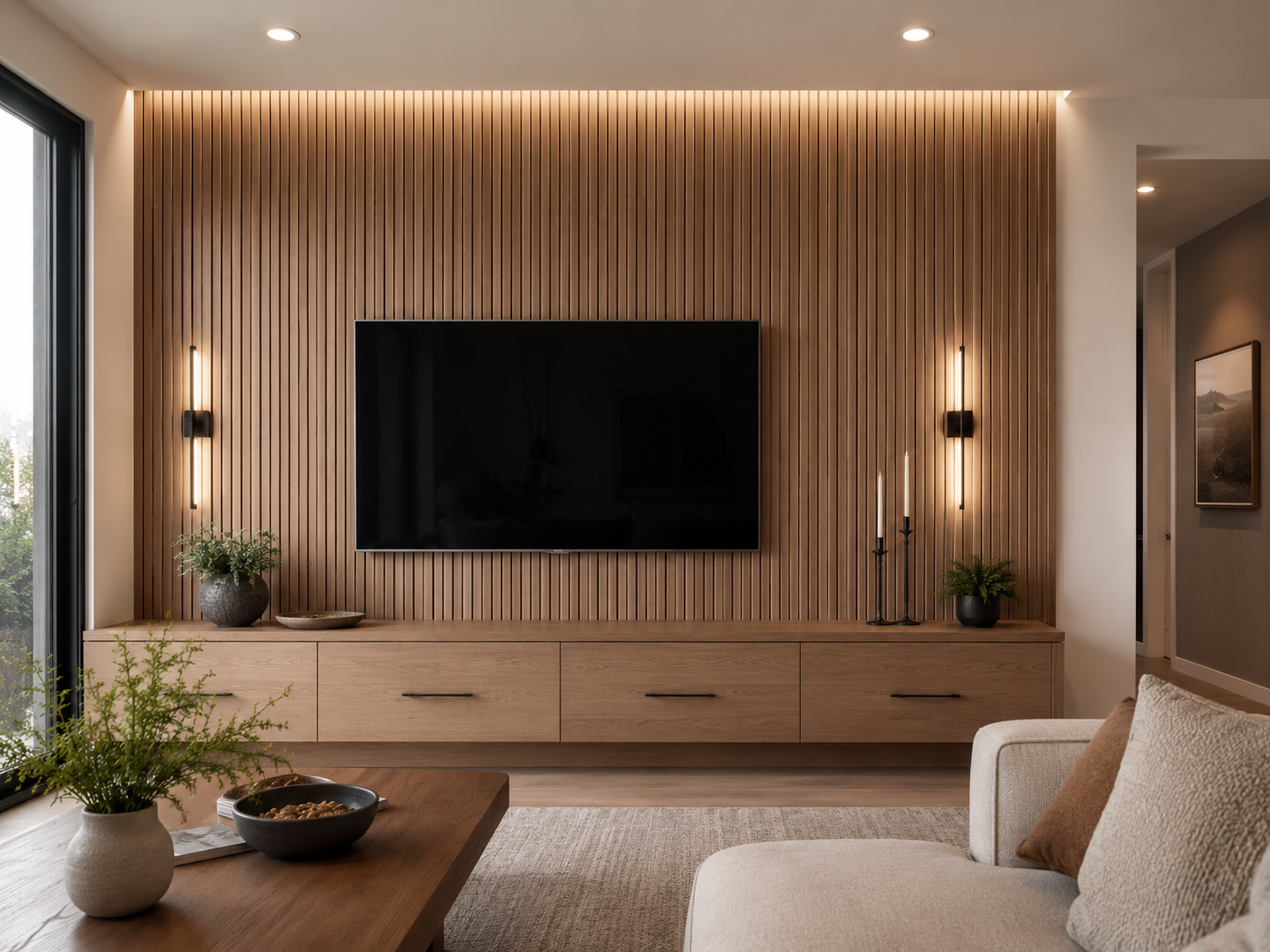
- A fireplace feature wall
- A tiled accent wall
- A powder bath detail
- A mudroom or entry surface
- A full-height tile installation
- A textured wall finish
Tile gives the room material definition. It tells the eye, "This is the kitchen," "This is the fireplace," or "This is the feature wall.
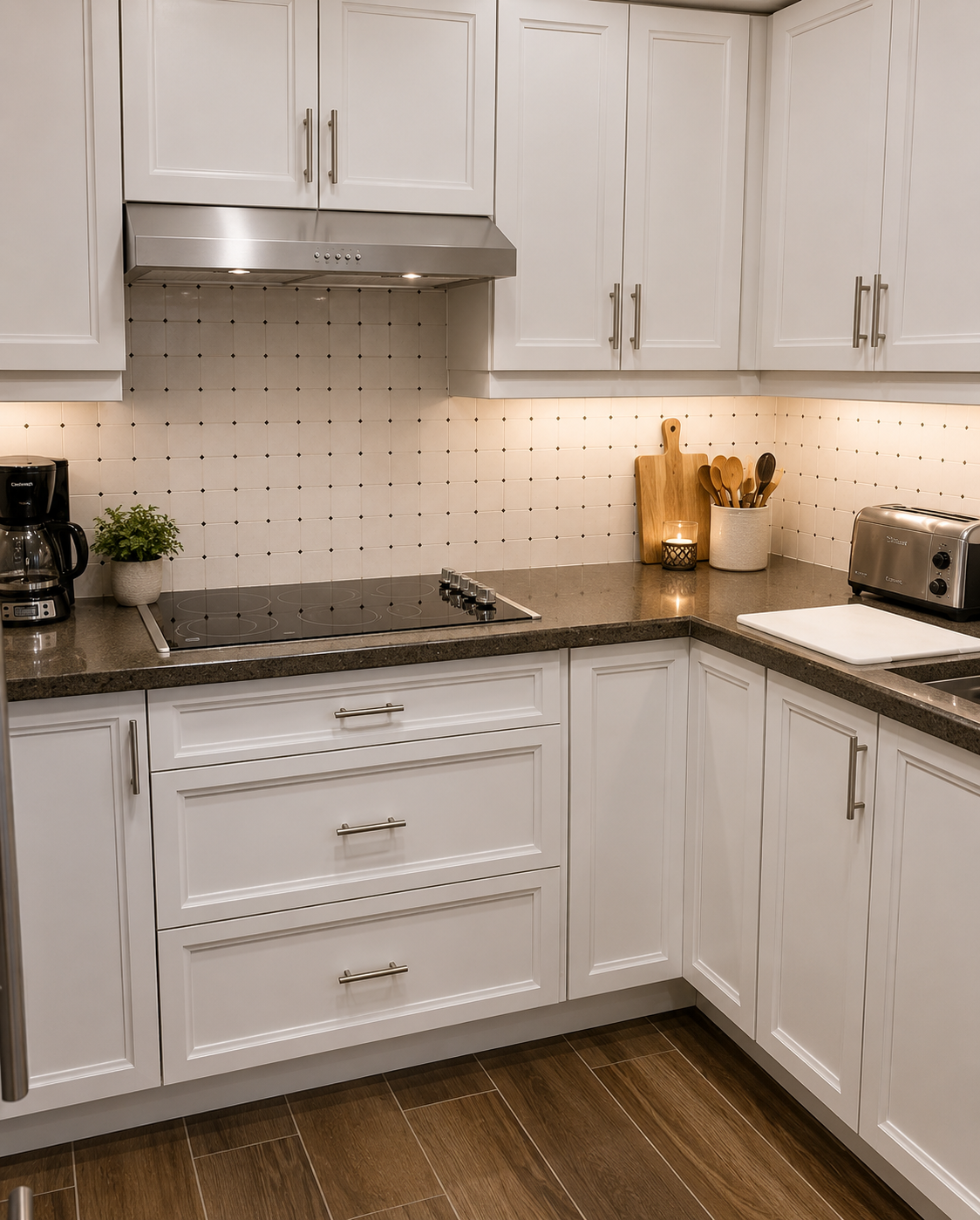
The Kitchen Backsplash Becomes Part of the Living Space
In a closed kitchen, the backsplash mostly affects the kitchen.
In an open-concept home, the backsplash may be visible from the living room, dining table, hallway, or entry.
That means backsplash choices need to consider more than cabinets and countertops.
They should also consider:
- Living room colors
- Flooring
- Fireplace material
- Furniture style
- Lighting
- Hardware finishes
- Open sightlines
- Overall home style
A backsplash that feels too busy can affect the entire open space. A backsplash that is too plain can make the kitchen feel unfinished from the living room.
The right backsplash should add polish without disrupting the flow of the home. See details that make a backsplash look expensive for planning guidance.
Fireplaces Anchor Open Living Rooms
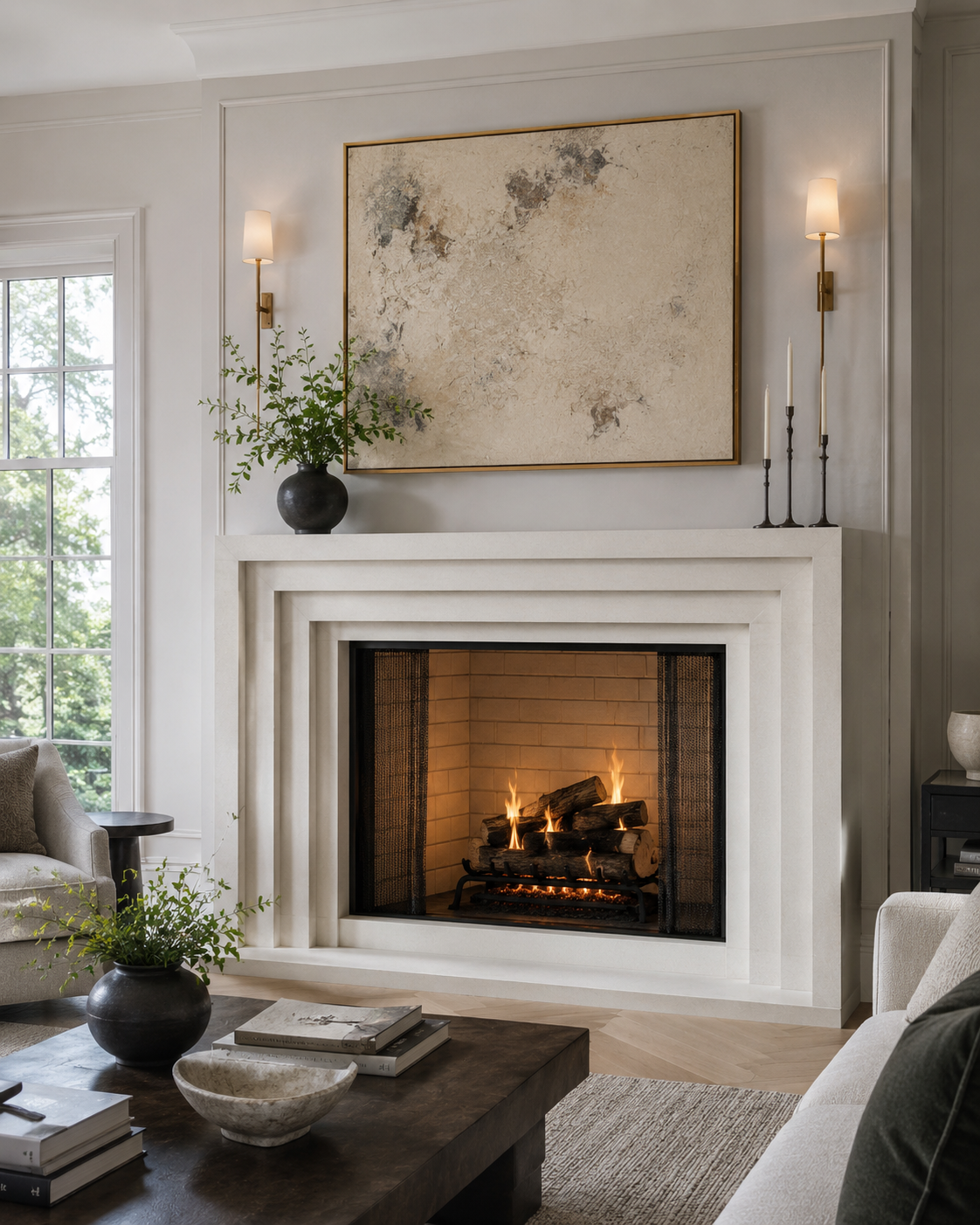
A fireplace often becomes the main visual anchor in an open-concept living area.
If the fireplace finish is plain, undersized, or disconnected from the room, the living area can feel unfinished even if the furniture is strong.
Fireplace tile can add:
- Height
- Texture
- Warmth
- Scale
- Contrast
- Architectural presence
- A clear focal point
This is especially important when the fireplace wall is visible from the kitchen island or dining area.
A fireplace feature wall can help the living room feel intentional within the larger open space. Explore fireplace tile ideas for a finished living room and fireplace tile services.
Tile Creates Focal Points Without Adding Clutter
Open-concept homes need focal points, but not too many.
Tile can create a focal point without adding furniture, decor, or visual clutter.
Good tile focal points include:
- A full-height range wall
- A fireplace tile wall
- A textured backsplash
- A powder bath tile wall
- An accent wall behind shelving
- A mudroom tile floor
- A vanity backsplash
A tile focal point feels more permanent and integrated than decoration.
When planned well, it becomes part of the architecture of the home. See accent and feature wall tile for feature-wall options.
Tile Adds Texture to Large Open Spaces
Open spaces can sometimes feel flat because the same paint color, flooring, and neutral finishes continue across multiple areas.
Tile adds texture and variation.
Texture may come from:
- Handmade-look tile
- Zellige-style tile
- Stacked stone
- Fluted tile
- Marble-look porcelain
- Large-format stone-look tile
- Textured ceramic
- Mosaics used with restraint
Texture can make a home feel warmer and more custom without using bold color.
This is one reason tile works so well in open-concept homes. It creates depth while still allowing the space to feel connected.
Tile Can Add Warmth to Neutral Interiors
Many newer homes have neutral finishes: white walls, light cabinets, gray or beige flooring, quartz countertops, and simple fireplace surrounds.
Neutral does not have to feel cold, but it can if there is no texture or warmth.
Tile can add warmth through:
- Cream tones
- Soft taupe
- Warm white
- Sand-colored tile
- Handmade texture
- Natural stone looks
- Warm grout
- Vertical layouts
- Subtle movement
A warm backsplash or fireplace tile can make the home feel more inviting without changing the entire color palette.
Tile Helps Balance Contrast
Open-concept spaces often need contrast to avoid feeling flat.
Tile can create contrast through color, material, sheen, scale, or texture.
Examples include:
- A warm backsplash against white cabinets
- A darker fireplace wall in a light living room
- Marble-look tile against simple counters
- Textured tile against smooth cabinetry
- Large-format tile against traditional trim
- Vertical tile against horizontal cabinet lines
The contrast should be controlled.
Too much contrast can make an open space feel busy. Too little can make it feel bland. The right tile helps balance the room.
Tile Can Connect the Kitchen and Living Room
Tile can also help connected spaces feel cohesive.
For example, a kitchen backsplash and fireplace wall do not need to use the same tile, but they should feel like they belong in the same home.
They can connect through:
- Similar undertones
- Similar grout softness
- Shared material language
- Matching warmth level
- Coordinated texture
- Complementary scale
- Compatible edge details
- Repeated metal finishes
A kitchen backsplash and fireplace wall should not compete.
In an open-concept home, each tile surface should have a clear role. Read choose tile that fits the style of your home for material direction.
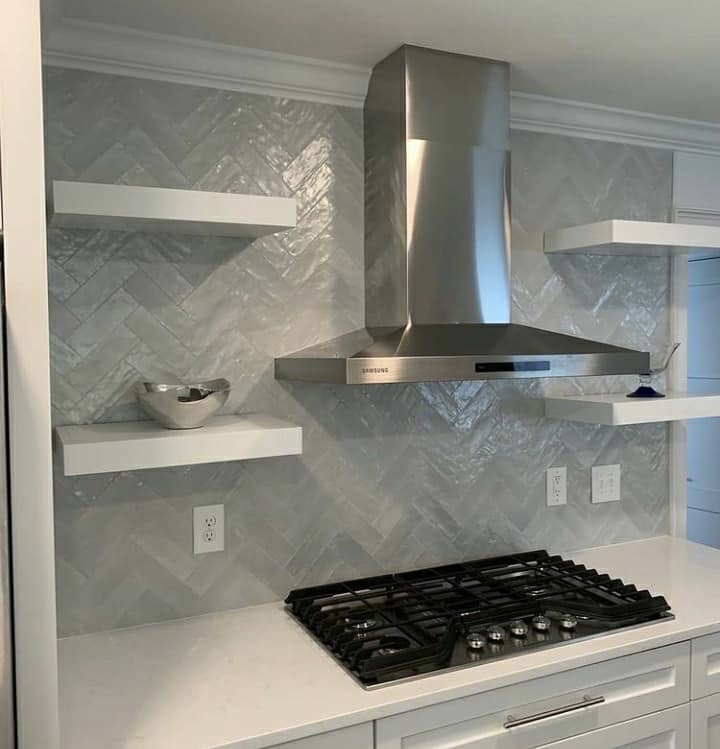
The Range Wall Matters More in an Open Kitchen
The range wall often becomes a visual focal point in an open kitchen.
If the range wall is visible from the living room or island seating, it deserves careful planning.
A range wall can be strengthened with:
- Full-height tile
- Large-format tile
- A clean hood backdrop
- Subtle herringbone
- Handmade-look tile
- Marble-look porcelain
- Soft contrast grout
- A centered layout
Not every range wall needs a special feature. But it should feel intentional.
A poorly planned range wall can make the kitchen feel unfinished from every connected angle.
The Fireplace Wall Should Match the Room Scale
In an open-concept living room, the fireplace wall often needs more scale than it would in a smaller room.
A small tile surround may not be enough if the wall is tall, wide, or visible from multiple spaces.
A fireplace feature wall may make sense when:
- The ceiling is tall
- The wall feels empty
- The fireplace looks undersized
- The living room lacks a focal point
- The fireplace is visible from the kitchen
- The homeowner wants a more custom feel
- Built-ins or a TV are part of the wall
The tile should match the scale of the room. A large wall often needs a more substantial finish strategy.
Avoid Making Every Surface Compete
One of the biggest mistakes in open-concept homes is choosing too many statement finishes.
If the backsplash, fireplace, countertops, lighting, furniture, and accent walls all compete, the space can feel crowded.
Tile should be used with hierarchy.
One area may be the main focal point. Another may be a supporting surface. Another may be quiet and textural.
A balanced open-concept tile plan may include:
- A subtle kitchen backsplash
- A stronger fireplace feature wall
- A quiet bathroom tile upgrade
- A small powder bath statement
- Matching undertones across rooms
The goal is not to make every tile surface dramatic. The goal is to make the home feel connected and finished.
Lighting Changes How Tile Feels in Open Spaces
Open-concept homes usually have multiple lighting sources.
Natural light, recessed lights, pendants, under-cabinet lighting, sconces, and fireplace lighting can all affect tile appearance.
Lighting can change:
- Color tone
- Surface reflection
- Texture visibility
- Grout appearance
- Shadow lines
- How glossy tile looks
- How warm or cool the room feels
Tile should be reviewed in the actual home lighting when possible.
A tile that looks perfect in a showroom may look different under warm kitchen lighting or cool natural light from large windows.
Builder-Grade Open Homes Often Need Better Tile Details
Many newer open-concept homes have strong layouts but safe finishes.
The home may feel spacious, but the tile may not create enough definition.
Common builder-grade open-concept issues include:
- Basic backsplash tile
- Plain fireplace surround
- No range-wall focal point
- Generic bathroom tile
- Weak transitions
- Too many flat neutral surfaces
- Little texture
- Poorly scaled fireplace finishes
Focused tile upgrades can help these homes feel more custom without changing the open layout.
A backsplash, fireplace wall, or feature tile surface can give the home the visual structure it was missing. See small tile upgrades that make a home feel more custom for focused opportunities.
How CBC Helps Plan Tile for Open-Concept Homes
CBC helps homeowners think through tile as part of the whole connected space.
That means considering how the backsplash looks from the living room, how the fireplace anchors the main wall, how feature tile affects sightlines, and how materials relate across rooms.
CBC can help review:
- Open sightlines
- Kitchen backsplash direction
- Range-wall treatment
- Fireplace tile scope
- Feature wall opportunities
- Tile scale
- Texture
- Grout tone
- Edge details
- Overall home style
The goal is to create tile surfaces that define spaces without making the home feel busy.
In an open-concept home, tile should help the eye land in the right places. Explore backsplash installation services and view completed tile projects.
Final Takeaway
Tile can change the feel of an open-concept home because it creates visual structure.
A backsplash defines the kitchen. A fireplace wall anchors the living room. A feature wall adds texture and focus. Tile can bring warmth, contrast, and depth to large connected spaces.
The key is balance.
In an open layout, every tile surface is part of a larger view. The backsplash, fireplace, flooring, lighting, cabinets, and furniture all need to work together.
Tile should help the home feel more finished, not more crowded.
Want Your Open-Concept Home to Feel More Defined?
CBC helps homeowners use tile to create focal points, visual structure, texture, warmth, and finished detail in open kitchens, living rooms, fireplaces, and feature walls.
Request an estimate to plan a tile project that fits your home's layout.
FAQ
How does tile help an open-concept home?
Tile helps an open-concept home by creating focal points, defining spaces, adding texture, bringing warmth, creating contrast, and giving the eye a clear place to land.
What tile surfaces matter most in an open-concept home?
Kitchen backsplashes, range walls, fireplace walls, feature walls, powder baths, mudrooms, and entry details can all affect how an open-concept home feels.
Should my kitchen backsplash and fireplace tile match?
They do not need to match exactly, but they should feel connected. Similar undertones, grout softness, texture, or material direction can help the kitchen and living room feel cohesive.
Is a fireplace feature wall good for an open living room?
A fireplace feature wall can work well when the fireplace is a main focal point, the wall has enough scale, and the tile supports the style of the room. It should feel proportional, not overwhelming.
Can tile make a builder-grade open-concept home feel more custom?
Yes. Focused tile upgrades like a better backsplash, fireplace wall, or feature tile surface can add structure, warmth, and personality without changing the layout.