Backsplashes
Should You Replace a Builder-Grade Backsplash?
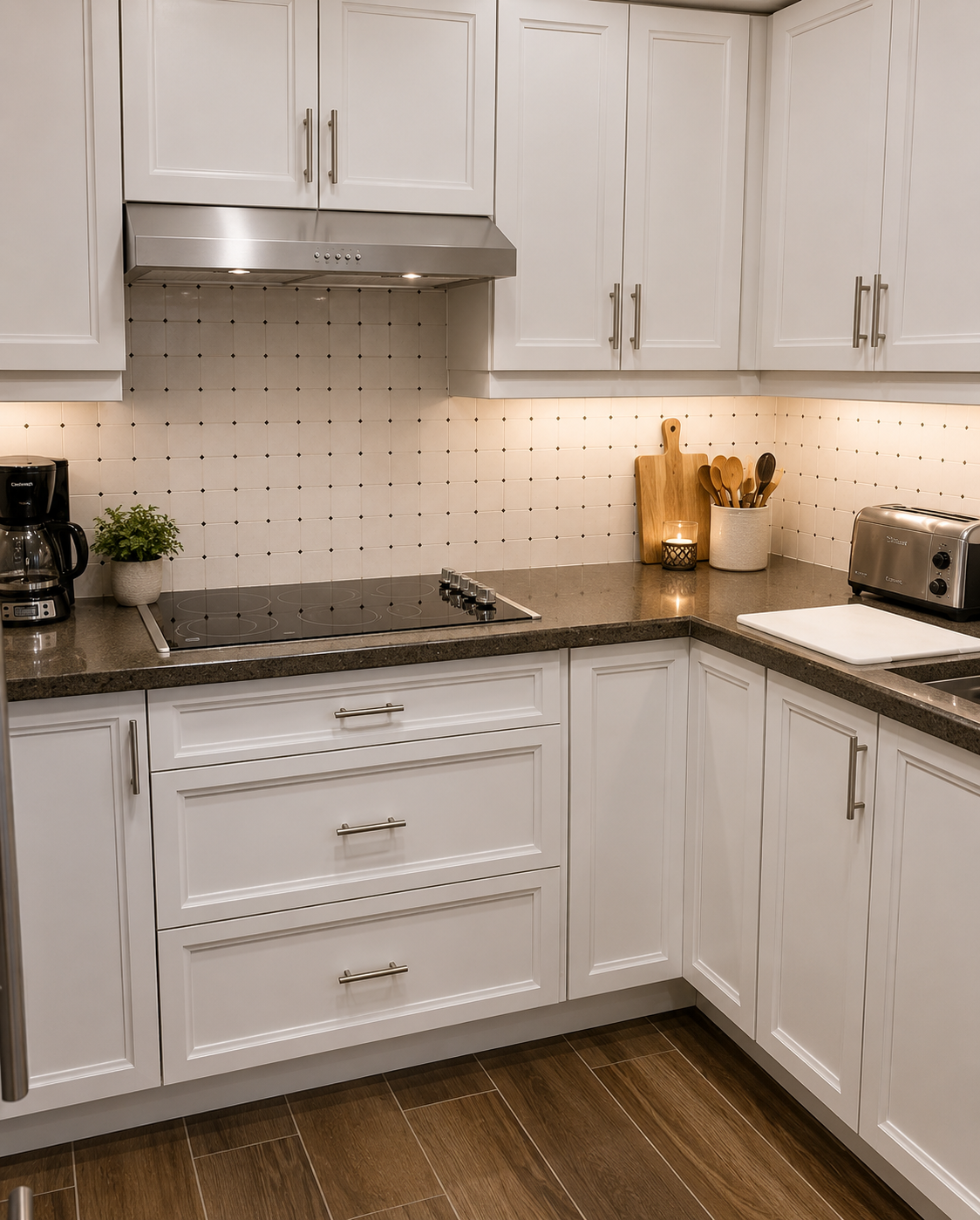
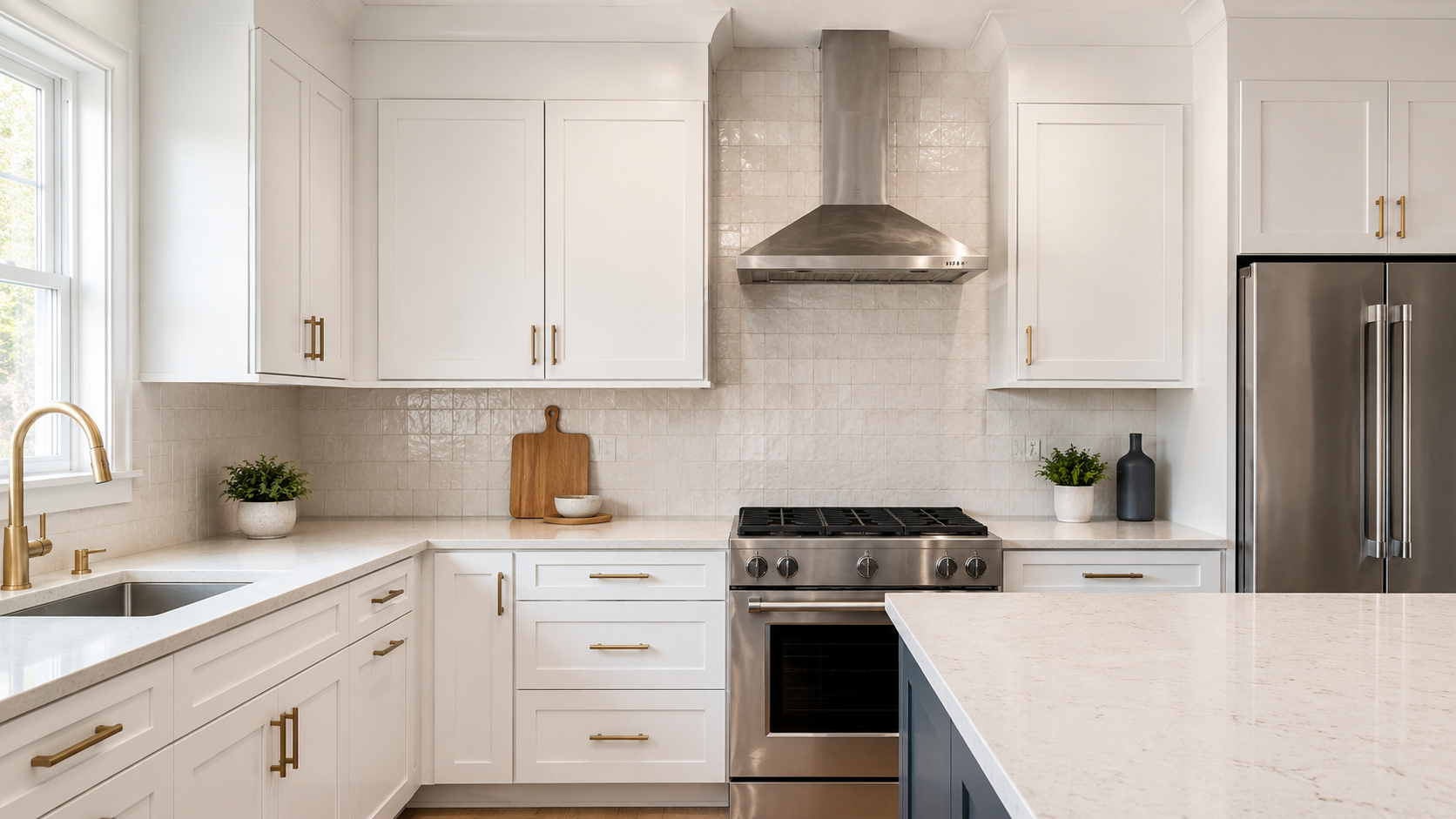
A builder-grade backsplash can make an otherwise nice kitchen feel unfinished. This guide explains when replacing a basic backsplash makes sense, what visual impact it can create, and how one focused tile upgrade can make a production-home kitchen feel more custom.
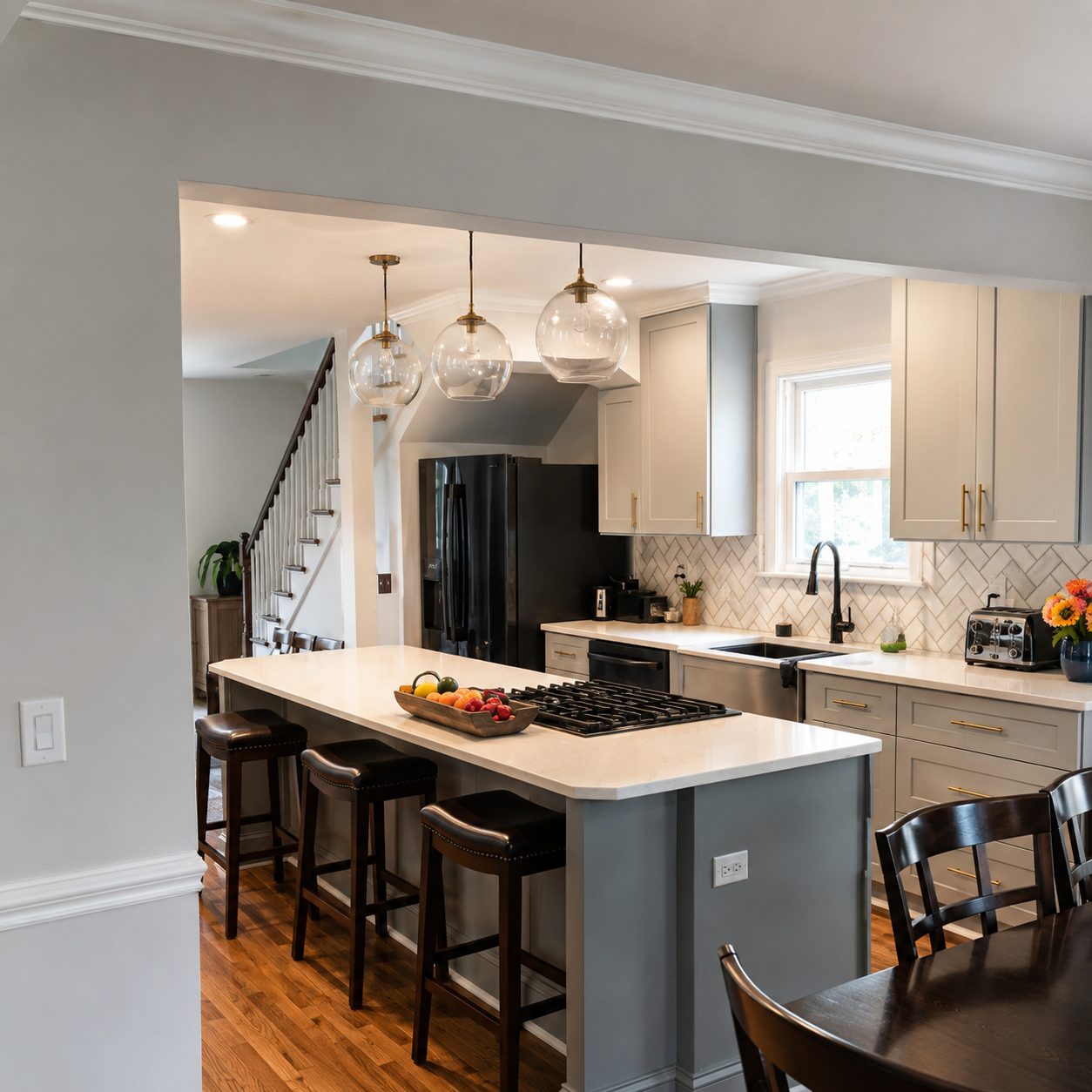
A builder-grade backsplash can make an otherwise nice kitchen feel unfinished.
The cabinets may be in good condition. The countertops may still work. The layout may be functional. But if the backsplash feels plain, dated, too basic, or disconnected from the rest of the kitchen, the entire space can feel less custom than it should.
That is especially common in newer suburban homes. Many production homes are built with safe, neutral finishes that appeal to a wide range of buyers. Those finishes are not always bad. They are simply not very personal.
Replacing a builder-grade backsplash is one of the most focused ways to make a kitchen feel more finished without taking on a full remodel.
For homeowners in areas like Harrisburg, Fort Mill, Waxhaw, Huntersville, Tega Cay, and other Charlotte-area suburbs, this type of upgrade can create a noticeable visual change while keeping the project scope controlled.
What Is a Builder-Grade Backsplash?
A builder-grade backsplash is usually a basic backsplash selected during construction or as part of a standard home package.
It may be:
- A short countertop return instead of full tile
- Plain tile with little visual interest
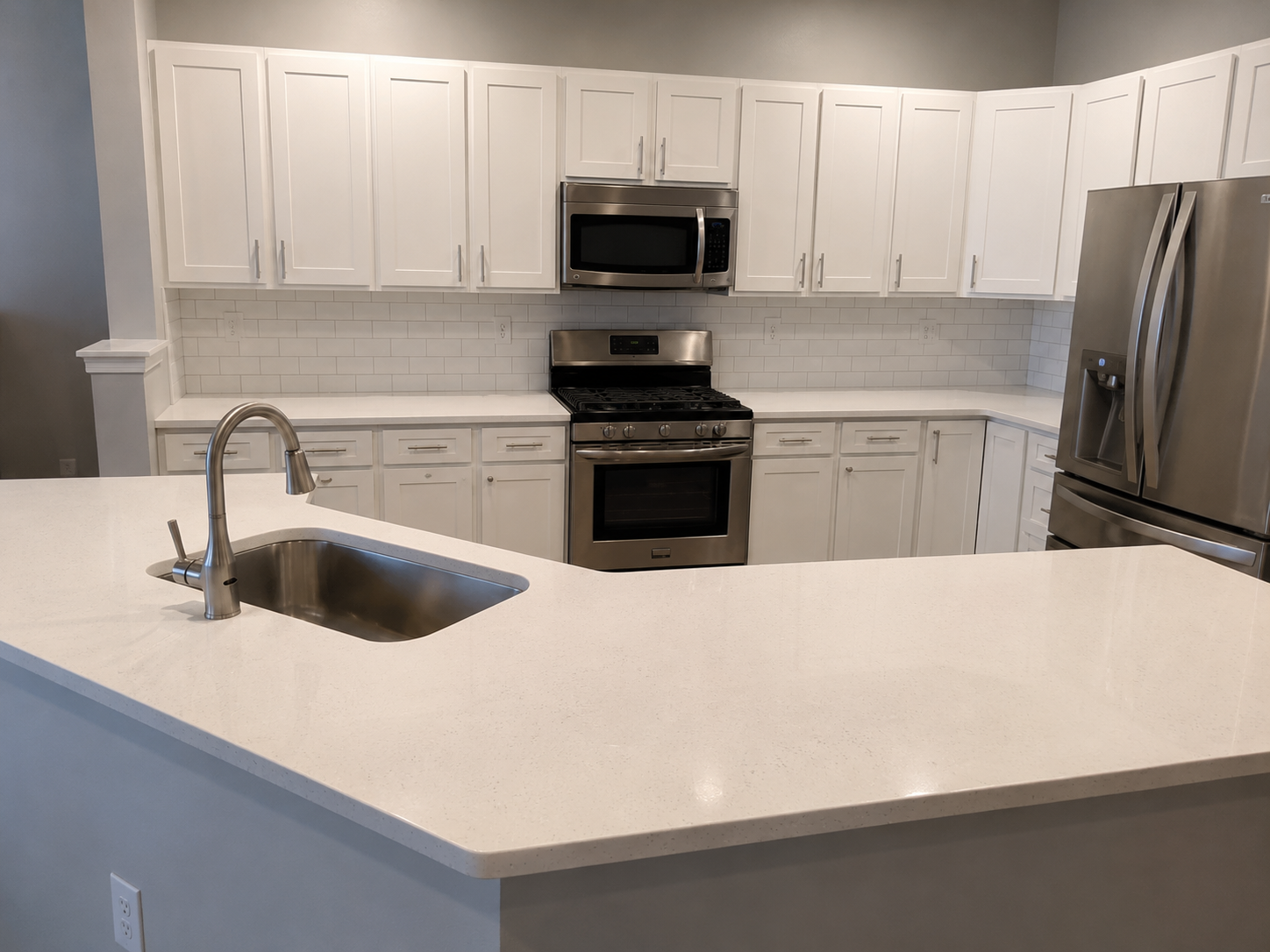
- A basic subway tile with minimal design detail
- A low-contrast neutral tile that disappears into the wall
- A backsplash that does not match later cabinet, hardware, or lighting upgrades
- A material chosen for broad appeal rather than a specific design direction
Builder-grade does not always mean poor quality. In many homes, it simply means the finish was selected to be acceptable to most buyers, not tailored to the homeowner's style.
The issue is that kitchens are highly visible. When the backsplash feels generic, the kitchen can feel generic too.
Why Builder-Grade Backsplashes Often Feel Unfinished
A backsplash sits between the cabinets and countertops, which are two of the strongest visual elements in the kitchen.
If that space feels flat or under-designed, it can affect the whole room.
Builder-grade backsplashes often feel unfinished because:
- The material is too plain for the rest of the kitchen
- The tile does not create enough texture or movement
- The grout color feels too harsh or too dull
- The backsplash stops awkwardly
- The range wall lacks a focal point
- The tile does not coordinate with updated hardware or lighting
- The kitchen looks similar to many other homes in the neighborhood
- The backsplash does not match the homeowner's current style
The backsplash may be small compared to the cabinets or countertops, but it has a large effect because it is directly in the line of sight.
When Replacing a Builder-Grade Backsplash Makes Sense
Replacing a builder-grade backsplash makes sense when the kitchen is mostly functional, but the finish level does not match the way the homeowner wants the space to feel.
This is often a good project when:
- The cabinets are staying
- The countertops are staying
- The kitchen layout works
- The homeowner wants a more custom look
- The backsplash feels outdated or too basic
- The kitchen needs a stronger focal point
- The home has open-concept sightlines
- The homeowner wants to improve the kitchen before selling
- A full remodel is not necessary
- The rest of the home has been upgraded but the kitchen still feels builder-basic
In many cases, the backsplash is one of the easiest surfaces to update because it is visible, contained, and highly design-driven.
A focused tile upgrade can make the kitchen feel more intentional without replacing everything.
When You May Not Need to Replace It
Not every builder-grade backsplash needs to be replaced immediately.
It may make sense to wait if:
- The countertops will be replaced soon
- The cabinets are being repainted or changed
- The kitchen layout may change
- The homeowner is unsure about the final design direction
- The existing backsplash is still clean, neutral, and compatible with the room
- A larger renovation is planned in the near future
The backsplash should support the long-term plan for the kitchen.
If the countertops or cabinets are likely to change soon, it may be better to wait and select a backsplash after those larger decisions are made. Otherwise, the new tile may not work with the future kitchen design.
How a New Backsplash Changes the Kitchen
A backsplash upgrade can affect the kitchen in several ways.
It can make the space feel:
- More custom
- More finished
- More current
- More refined
- Warmer
- Brighter
- Cleaner
- More cohesive
- More intentional
- Better connected to the home's style
The backsplash can also help connect other finishes in the kitchen.
For example, the right tile can soften bright white cabinets, balance dark countertops, add texture to a neutral kitchen, support warm brass or black hardware, or create a subtle focal point behind the range.
A backsplash is not just a protective surface. It is a design surface.
Why This Upgrade Works Well in Newer Suburban Homes
Many newer suburban homes have a strong layout, good natural light, and functional kitchens, but the finishes may feel standard.
This is common in production-home communities where the builder selected finishes that would appeal to many buyers.
A backsplash replacement works well in these homes because it can:
- Add personality without changing the kitchen layout
- Make the kitchen feel less standard
- Improve the look of open-concept living areas
- Create a more polished backdrop for countertops and cabinets
- Support updated lighting, hardware, or paint colors
- Help the home feel more intentionally designed
In areas like Harrisburg, Fort Mill, Waxhaw, Huntersville, and Tega Cay, many homeowners are not trying to gut the kitchen. They are trying to make a good kitchen feel more finished.
That is exactly where a focused backsplash upgrade can make sense.
Signs Your Builder-Grade Backsplash Is Holding the Kitchen Back
A backsplash may be worth replacing if it is the one part of the kitchen that keeps catching your eye for the wrong reason.
Common signs include:
- The backsplash feels too plain compared to the countertops
- The tile color does not work with the cabinets
- The grout looks dated or distracting
- The backsplash stops at an awkward point
- The range wall lacks visual interest
- The material feels generic or flat
- The tile does not match newer hardware or lighting
- The backsplash makes the kitchen feel colder than intended
- The kitchen looks unfinished in photos
- The homeowner likes the kitchen overall, but not the backsplash
If the cabinets, counters, and layout are staying, replacing the backsplash can be a practical way to improve the room without overextending the scope.
Best Backsplash Upgrade Options for Builder-Grade Kitchens
The right replacement depends on the kitchen style, but many builder-grade kitchens benefit from materials that add texture, warmth, or cleaner visual structure.
Strong options may include:
- Handmade-look ceramic tile
- Soft neutral subway tile
- Vertical stack tile
- Marble-look porcelain
- Warm white tile
- Textured ceramic
- Zellige-style tile
- Herringbone behind the range
- Large-format porcelain
- A simple range-wall focal point
The goal is not always to make the backsplash loud.
In many homes, the best upgrade is a cleaner, better-proportioned tile with a thoughtful layout and grout color. A quiet backsplash can still feel premium if the details are handled well. For material direction, see best backsplash materials for a high-end kitchen.
Simple Upgrades Can Still Look High-End
A backsplash does not need to be complicated to feel elevated.
A simple tile can look high-end when:
- The material fits the kitchen
- The layout is balanced
- The grout color is intentional
- The cuts are clean
- The edges are finished
- The tile stops in the right place
- The installation looks controlled
This is important for homeowners who want a better kitchen but do not want an over-designed look.
A clean straight stack, vertical stack, running bond, or subtle handmade-look tile can make a builder-grade kitchen feel more custom without making it feel trendy or busy.
High-end does not always mean complicated. It usually means planned. For layout options, see backsplash layouts explained.
When a Range-Wall Feature Makes Sense
The range wall is often the best place to add visual interest.
A range-wall feature may make sense when:
- The kitchen needs a focal point
- The cooktop or range is centered and visible
- The hood or microwave area already draws attention
- The surrounding backsplash will remain simple
- The homeowner wants a more custom look
- The kitchen is open to the living or dining area
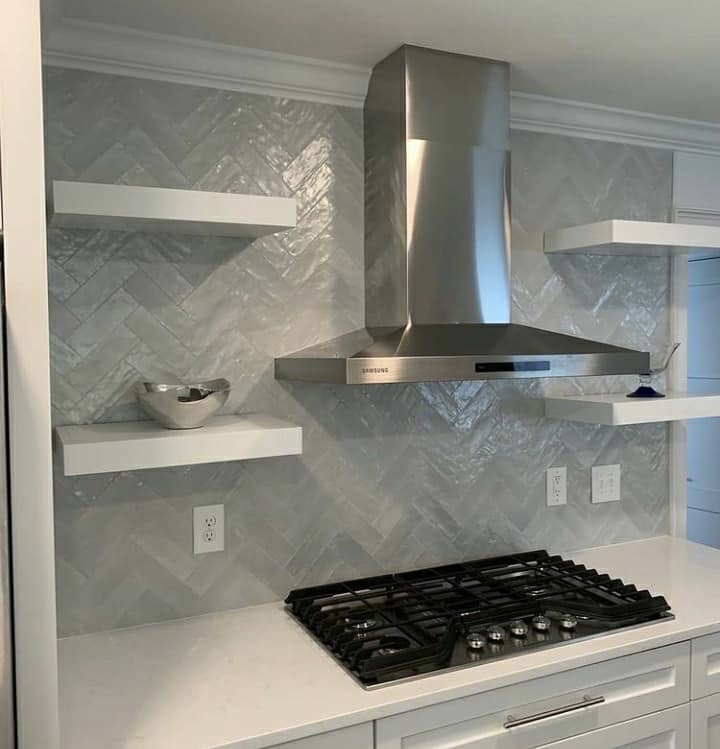
Range-wall features may include herringbone, a framed insert, a vertical pattern, a different tile shape, a mosaic detail, or a full-height backsplash section.
The key is proportion.
A range-wall feature should feel like part of the kitchen, not a decorative patch added after the fact. The tile, pattern, grout, trim, and surrounding material all need to work together.
Material Choice Matters More Than Trend
One of the biggest mistakes homeowners make is replacing a builder-grade backsplash with another material that will feel dated quickly.
The better approach is to choose a material that fits the home's architecture, cabinets, countertops, and long-term style.
Before selecting tile, consider:
- Is the kitchen warm or cool?
- Are the cabinets painted, stained, or natural wood?
- Are the countertops plain or heavily patterned?
- Is the hardware black, brass, chrome, bronze, or nickel?
- Is the home traditional, transitional, modern, farmhouse, or organic?
- Does the backsplash need to add texture or stay quiet?
- Will the tile still feel appropriate in several years?
A backsplash should make the kitchen feel more complete. It should not fight the rest of the finishes.
Grout Can Make or Break the Upgrade
Grout color has a major effect on the final result.
A builder-grade kitchen can sometimes be improved with the right tile but weakened by the wrong grout.
Matching grout can create a softer and more seamless look. Slight contrast grout can define the pattern without making the backsplash too busy. High contrast grout can create a bold design statement, but it also makes every line and cut more visible.
For many builder-grade kitchen upgrades, a softer grout direction often works well because it creates a cleaner, more polished finish.
Homeowners should review grout against the tile, cabinets, countertops, lighting, and hardware before installation begins.
Edges and Stopping Points Need a Plan
One of the most common reasons a backsplash looks unfinished is poor edge planning.
A backsplash may need to stop at:
- Cabinet ends
- Countertop edges
- Open walls
- Windows
- Range hoods
- Outside corners
- Pantry walls
- Appliance areas
If those stopping points are not planned, the backsplash can feel awkward even if the tile itself is nice.
Edge details may include:
- Metal trim profiles
- Bullnose tile
- Finished tile edges
- Caulked transitions
- Natural stopping points
- Clean cabinet-line termination
Replacing a builder-grade backsplash is not only about removing old tile and adding new tile. It is about making the finished surface feel resolved.
What to Consider Before Removing the Existing Backsplash
If there is existing tile, removal should be considered before pricing and scheduling.
Removing an old backsplash can sometimes damage drywall or reveal uneven surfaces behind the tile. That does not mean the project is a problem, but it does mean prep may be needed before the new backsplash is installed.
Homeowners should think through:
- Is there existing tile or only a short countertop return?
- Will the existing backsplash need to be removed?
- Is drywall repair likely?
- Are the countertops staying?
- Are the cabinets staying?
- Will outlets or switches need adjustment?
- Is the new tile thicker or thinner than the old material?
- Are new edge details needed?
These details can affect the project scope.
A clean backsplash replacement starts with understanding what is currently there. For common pitfalls, see common backsplash installation mistakes.
Is It Worth Replacing Before Selling?
A backsplash upgrade can help a kitchen feel more finished in listing photos and showings, especially if the existing backsplash looks dated, damaged, or overly basic.
It may be worth considering before selling if:
- The kitchen is otherwise in good condition
- The existing backsplash looks outdated
- The home competes with newer or upgraded listings
- The backsplash photographs poorly
- The kitchen needs a more finished impression
- The project scope can stay focused
However, the goal should be broad appeal.
Before selling, it is usually safer to choose a clean, neutral, professional backsplash rather than a highly personal material or bold pattern. The best resale-focused backsplash should make the kitchen look better without becoming the main thing buyers remember.
How to Compare Backsplash Replacement Quotes
When replacing a builder-grade backsplash, homeowners should compare scope, not just price.
A complete quote should clarify:
- Whether old tile removal is included
- Whether wall repair is included
- What installation materials are included
- Whether tile, grout, and trim are separate
- What layout or pattern is being priced
- Whether outlets and switches are included
- How edge details will be handled
- Whether dust control and cleanup are included
- Whether a range-wall feature is included or separate
- What assumptions the quote is based on
A lower price may not include the same level of prep, protection, or finish detail.
A backsplash replacement should not be treated as only a small tile job. It is a visible finish upgrade that needs to be planned correctly. See kitchen backsplash cost in the Charlotte area for planning ranges and scope factors.
How CBC Helps Homeowners Upgrade Builder-Grade Backsplashes
CBC helps homeowners look at backsplash replacement as a focused design and installation project.
That means reviewing more than square footage.
CBC can help evaluate:
- Existing backsplash condition
- Removal and prep needs
- Tile material direction
- Layout options
- Range-wall focal points
- Grout color direction
- Edge and trim details
- Outlet and switch coordination
- Project scope
- Finished appearance
The goal is to help homeowners make the kitchen feel more finished without pushing them into a full remodel they may not need.
A builder-grade kitchen can often be improved with one thoughtful tile upgrade. The difference comes from choosing the right material, planning the layout, and installing the backsplash with detail control.
Explore backsplash installation services or view completed backsplash projects for upgrade and replacement reference.
Final Takeaway
Replacing a builder-grade backsplash can be one of the most practical ways to make a newer kitchen feel more custom.
It is not always necessary. If a larger remodel is coming soon, it may make sense to wait. But when the cabinets, countertops, and layout are staying, a backsplash replacement can create a significant visual improvement with a focused scope.
The right backsplash can add texture, warmth, polish, and personality. It can make a production-home kitchen feel more intentional without making it feel overdone.
The key is choosing a material, layout, grout color, and edge detail that fit the home.
Want Your Kitchen to Feel More Custom Without a Full Remodel?
CBC helps homeowners replace basic builder-grade backsplashes with cleaner, more intentional tile upgrades.
Request a backsplash estimate to review your kitchen, material direction, layout options, and project scope.
FAQ
Is it worth replacing a builder-grade backsplash?
It can be worth replacing if the kitchen layout, cabinets, and countertops are staying but the backsplash makes the space feel basic, dated, or unfinished. A focused backsplash upgrade can make the kitchen feel more custom without requiring a full remodel.
What backsplash is best for a builder-grade kitchen?
The best backsplash depends on the cabinets, countertops, lighting, and overall style of the home. Handmade-look tile, soft neutral subway tile, vertical stack tile, marble-look porcelain, textured ceramic, and simple range-wall features can all work well when selected carefully.
Do I need to replace my countertops before replacing the backsplash?
If the countertops will be replaced soon, it may be better to wait. The backsplash should coordinate with the final countertop material. If the countertops are staying long-term, replacing the backsplash can be a practical standalone upgrade.
Can a simple backsplash make a kitchen look high-end?
Yes. A simple backsplash can look high-end when the material fits the kitchen, the layout is balanced, the grout color is intentional, the cuts are clean, and the edges are finished properly.
Does replacing a backsplash help before selling a home?
It can help if the kitchen is otherwise in good condition but the backsplash looks outdated, damaged, or builder-basic. For resale, the safest approach is usually a clean, neutral, professionally installed backsplash with broad appeal.